
Why a comparative lens matters
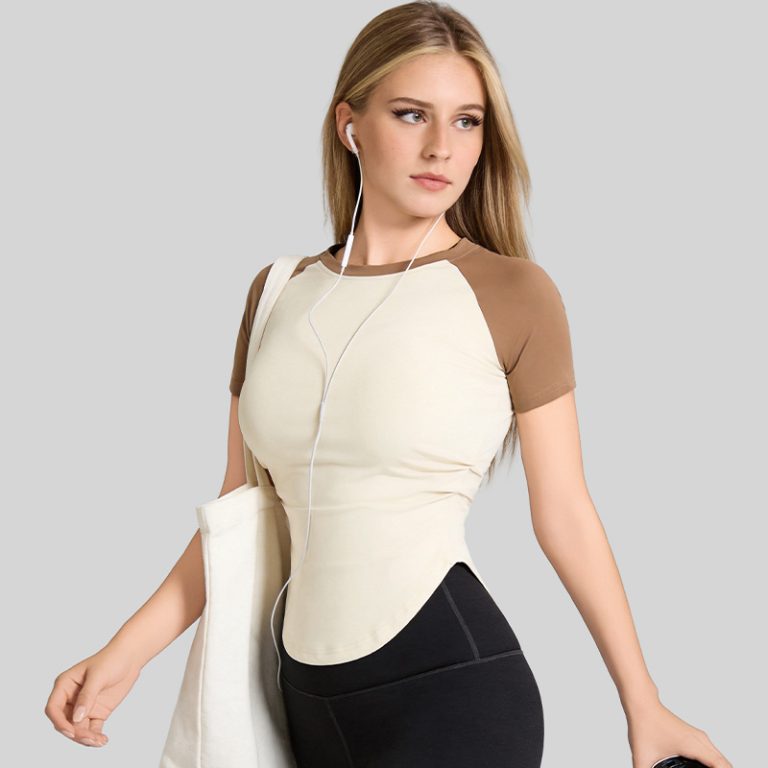
When you’re building a branded yoga line, decisions about silhouette, fabric, and production affect retail perception and unit economics equally. Start by comparing custom short sleeve shirts for fit, feel, and functionality against other options—crop tops, tanks, or full-length sleeves—so you know where to invest. From boutique studios in New York City to community gyms in Los Angeles, those first choices shape reorder cycles and customer loyalty.
Fabric and function: what really changes the game
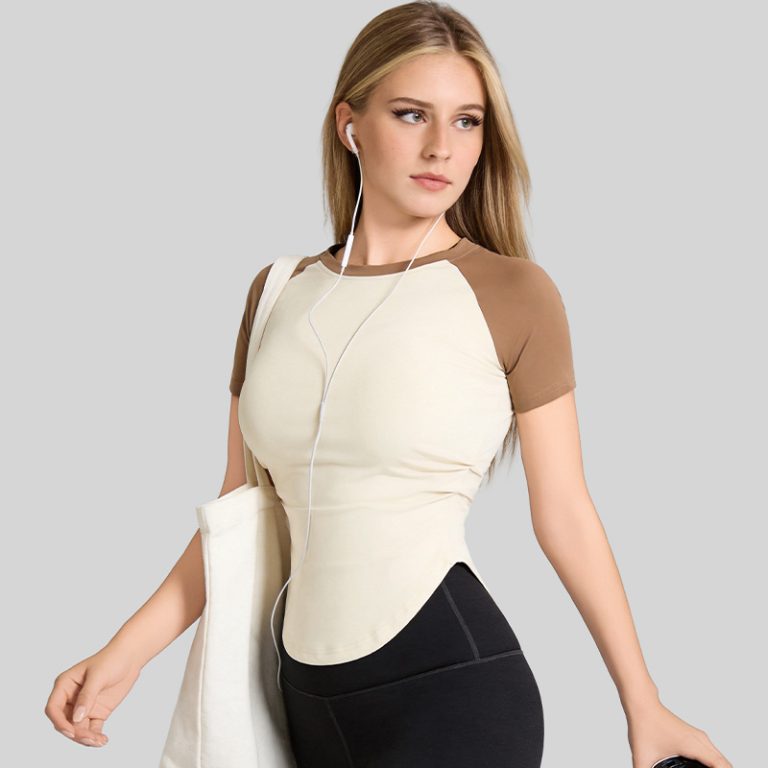
Material selection is the obvious battleground: blended poly-spandex gives stretch and recovery, organic cotton offers breathability, and performance knits deliver moisture-wicking and odor control. Pay attention to stitching and cut-and-sew details; a flatlock seam can prevent chafing during flow classes. Design decisions here are less aesthetic than operational—fabric weight, stitch density, and seam placement influence SKU returns and perceived quality.
Manufacturing realities: cost, MOQ, and timelines
Expect tradeoffs between price and flexibility. Lower price often means higher MOQ (minimum order quantity) and longer lead times. Ask suppliers for a clear tech-pack and proto sample schedule; it keeps revisions predictable. Working with a reliable short sleeve yoga tops manufacturer reduces surprises on color matching and sizing runs—especially when you plan a seasonal drop or a capsule collaboration.
Design choices that sell
Fit, pockets, and paneling are practical hooks. A slightly longer hem or subtle thumbhole adds perceived value without raising production complexity. Sublimation printing works when you need full-bleed graphics; embroidery reads premium on small logos. Focus on one signature detail per style to keep production manageable and minimize SKU proliferation.
Common mistakes and how to avoid them
Brands often overcomplicate visual options—too many colorways or custom trims inflate SKUs and inventory risk. Another frequent pitfall: skipping a size-set proto across body types; that kills conversion later. Order graded samples and test wash cycles early. —Plan to iterate, but keep the first round tight.
Comparing suppliers: criteria that matter
Don’t pick a partner on price alone. Evaluate lead time consistency, sample fidelity, and communication. Verify a supplier’s color standards and ask for digital color approvals tied to pantone or lab-dip references. For branded apparel, the right partner combines reliable cut-and-sew execution with accurate color reproduction and an ability to manage MOQ efficiently.
Real-world anchor and brand positioning
Consider how top studios and retail pop-ups in cities like New York have shifted to seasonal, capsule-led drops—fewer SKUs, sharper storytelling, clearer inventory turns. That shift favors brands that can quickly spin short runs with accurate tech-packs and dependable prototypes. Aligning on those operational terms—tech-pack, MOQ, and performance fabric—keeps your launch predictable and repeatable.
Alternatives to standard short-sleeve tops
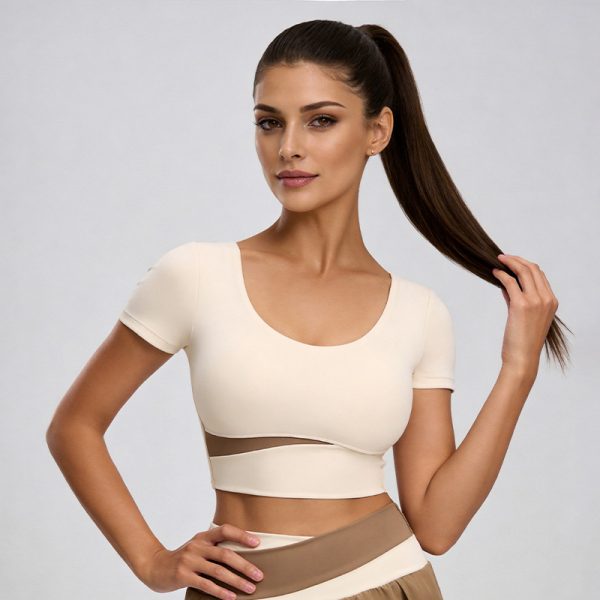
If your brand needs more variety, evaluate cropped fits or layered sets. Each alternative affects inventory and merchandising: cropped lines may sell at higher AUR (average unit retail) but narrow your audience; layered sets increase cross-sell opportunities yet complicate size assortments. Balance catalog ambition with the manufacturer’s capacity for graded runs and colorways.
Advisory: three golden metrics for selecting partners
1) On-time delivery rate. Track a supplier’s fulfillment accuracy across at least three orders—aim for 95%+ to avoid stockouts and markdowns.
2) First-pass quality percentage. Measure how many production pieces meet specs without rework; above 90% signals strong cut-and-sew discipline.
3) Sample-to-production fidelity. Compare initial proto samples to bulk output for color, fit, and print placement—consistency here saves headaches and extra costs.
Final thought
Choosing the right short-sleeve approach is a mix of design clarity and manufacturing discipline. Keep the line focused, demand clear tech-packs, and partner with a supplier who understands MOQ tradeoffs—then your brand can scale without inventory drag. Joebond. —