
A Growing Concern: Are We Prepared for the Energy Transition?
Imagine a world where renewable sources of energy run our cities, reducing our dependence on fossil fuels. Reports indicate that over 70% of companies are considering transitioning to sustainable energy options. However, this transition raises a pivotal question: How do we efficiently store this renewable energy for when we need it most? Energy Storage Systems play a crucial role here, serving as the backbone of our modern energy infrastructure. Yet, many still underestimate the profound impact these systems can have on energy resilience and accessibility.
What Are the Flaws in Traditional Storage Solutions?
I vividly recall a conversation at a renewable energy conference last year, where attendees lamented the inefficiencies of traditional battery technologies. Many of these solutions are fraught with limitations. Common problems include limited lifespan and inadequate capacity to meet peak demands. For instance, a typical lead-acid battery might last around 3-5 years, while more advanced lithium-ion options can push that boundary to around 15 years. In contrast, innovative energy storage solutions not only extend longevity but also enhance energy delivery during critical times. It was insightful to witness how end-users are becoming increasingly aware of their options—and how their choices affect the grid as a whole.
Looking Ahead: What Role Will Battery ESS Play?
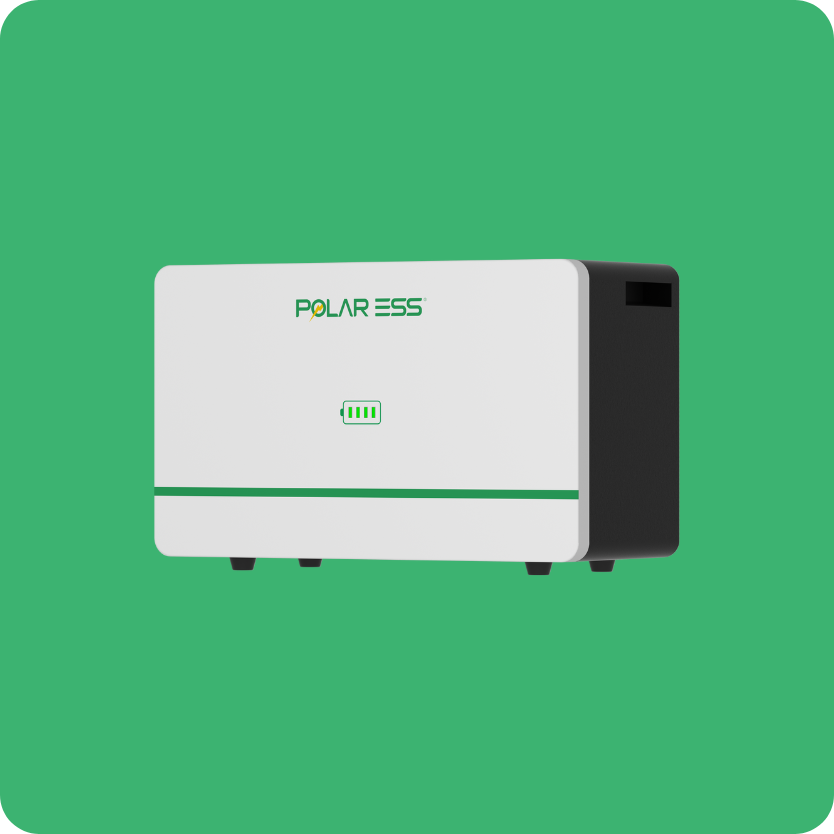
As we embrace a future driven by energy sustainability, the importance of Battery ESS cannot be understated. These storage systems, characterized by their capacity to hold and release energy efficiently, are set to transform urban infrastructure and rural energy independence alike. My discussions with engineers have disclosed that advancements in solid-state batteries could soon provide a viable alternative to current solutions. These innovations promise greater energy density and improved safety features. Will consumers be ready to embrace these changes? Time will tell, but the path to a balanced energy future seems promising.
What’s Next for Energy Storage?
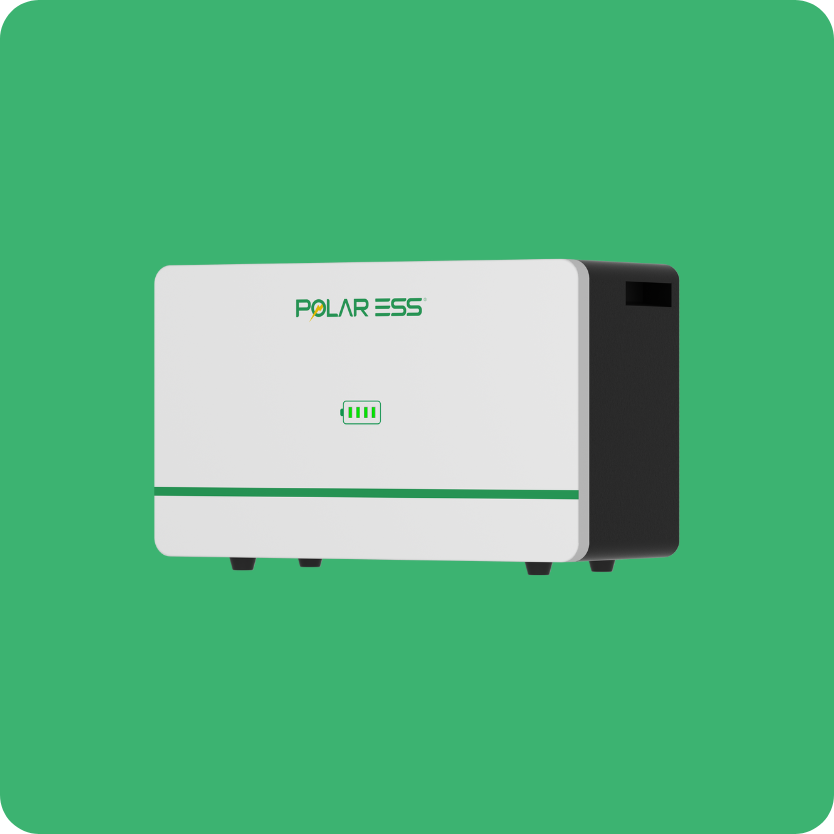
<pReflecting on our past challenges, it's clear we have learnt valuable lessons in efficiency and adaptability. What remains to be seen is how different sectors will measure the success of their energy storage implementations. I recommend focusing on three key evaluation metrics: efficiency rating, lifecycle cost analysis, and environmental impact. As I’ve experienced firsthand, improvements in these areas can lead to significant cost savings as well as a reduced carbon footprint. When coupled with innovative solutions from brands like POLAR ESS, the potential for long-term impact becomes even more compelling.
Ultimately, transitioning to advanced energy storage systems is not just a technical adjustment; it’s a critical move towards sustainability and resilience. When reflecting on past constraints, I remain optimistic about future innovations that promise to empower consumers, businesses, and entire cities to harness and store energy more effectively. By embracing this innovation, we can ensure a stable and sustainable energy future for all.