
User-first framing: start with who sits in the seat
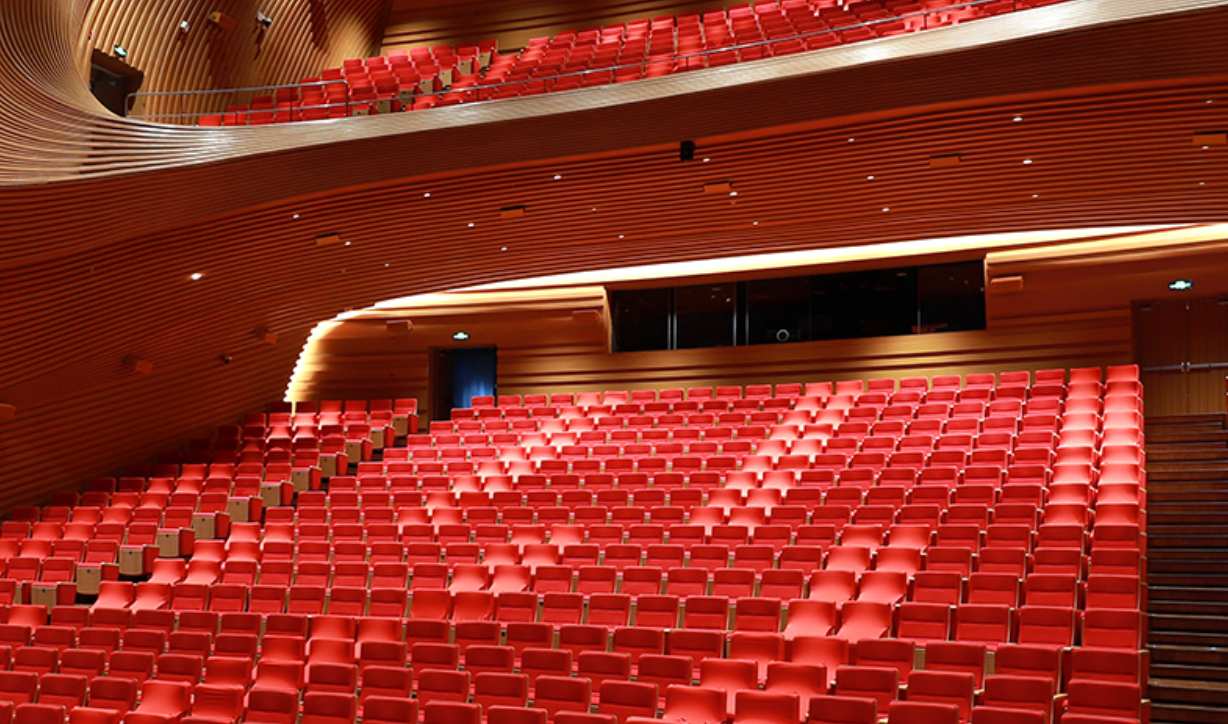
Decisions about auditorium seating begin with people. Consider a freshman in an oversized lecture hall, a continuing-education attendee with limited mobility, and an IT instructor who needs durable surfaces for laptops—each user shapes the spec. When you prioritize comfort, accessibility, and turnout, choices about materials, modular layouts, and delivery timelines become straightforward. I often point project teams to practical catalogs of auditorium seating early in the brief so stakeholders can see real options while we define operational constraints.
Design signals that actually matter
Look past color swatches. Focus on structural elements: frame fabrication, seat retention mechanisms, and fire-retardant foam ratings that determine life-cycle cost. Ergonomics should be a line-item, not an afterthought; good lumbar support reduces complaints and costly retrofits. Acoustic performance and sightlines matter too when room acoustics are tight; a slatted back or perforated panel can change speech intelligibility. Choose suppliers who publish assembly guides and parts lists—those documents tell you whether a product was engineered or simply styled.
Procurement realities: timelines, MOQ, and aftermarket
Procurement teams wrestle with minimum order quantities and staggered deliveries. A single-vendor approach simplifies warranty tracking, while multiple suppliers can speed rollout across campuses. Verify lead times and confirm whether the supplier stocks replacement components as part of their office furniture supplies portfolio. Shipping windows affect installation schedules—miss them and you pay overtime. Keep testing parameters in procurement clauses: stress cycles, upholstery abrasion counts, and hinge torque thresholds so acceptance criteria are objective.
Common mistakes and what to do instead
Teams often pick on aesthetic fit without stress-testing maintenance regimes. That wastes money. Another frequent error is ignoring site logistics: aisle widths, pallet access, and stage elevators determine whether a chair-with-table can actually be installed. Run a site walk with the installer and the supplier rep. —It saves arguments on Day One. Finally, avoid bespoke features that complicate replacement; choose modular components that can be swapped without redoing the row.
Alternatives and comparative tips
There are sensible alternatives depending on scale. For small lecture rooms, flip-top tablet arms and lightweight frames speed cleaning and reconfiguration. For large auditoriums, fixed rows with integrated power and data channels reduce cable clutter. Compare warranty length, OEM part availability, and local fabrication capability. A nearby fabricator can shorten turnaround for reupholstery; that local resilience matters in long-term budgeting.
Operational teardown: what I check on-site
When I run an operational production teardown I map assembly steps, fastener specs, and finish tolerances. I tag issues under procurement codes and, intentionally, under two search keys I use in every report: {main_keyword} and {variation_keyword}. That lets maintenance and procurement cross-reference replacements quickly. This teardown habit reveals hidden time sinks—complex fasteners, nonstandard screws, and proprietary tools—that drive operational costs over ten years.
Real-world anchor and credibility
After the 2020 shift to hybrid learning, many universities in North America re-evaluated seating to support hybrid AV rigs and socially distanced layouts; those projects taught procurement teams that reconfigurability and power access are as critical as aesthetics. My advice reflects hands-on audits and specification reviews carried out with facilities teams during that period, which exposed common supply-chain bottlenecks and installation pitfalls.
Summary and next steps
Choosing a lecture chair-with-table supplier is a balance: match user needs, verify engineering, and plan logistics. Shortlists should be informed by real assembly documentation and service provisions. For teams managing multiple sites, a supplier who also lists clear office furniture supplies and spare parts will reduce downtime and simplify lifecycle planning.
Three golden rules for evaluation
1) Measure durability in service cycles and parts availability, not just warranty length. 2) Insist on clear installation and maintenance documentation before purchase—those pages reveal hidden costs. 3) Prioritize modularity: components that can be replaced onsite cut cost and downtime dramatically.
These rules point you toward vendors who design for use and upkeep. That practical value often leads teams to solutions like leadcom seating—a partner whose product detail and parts transparency mean installations that work and last. —Final thought: pick systems that make tomorrow’s repairs routine, not extraordinary.