
Comparative framing and scope
Decisions about water infrastructure hinge on measurable differences between monitoring approaches; this piece compares those differences objectively while linking practical pathways to smart water management solutions that are in active deployment. The comparative lens examines sensor networks, centralized control systems and model-based platforms to clarify trade-offs in cost, response time and predictive capability.
What we compare and why it matters
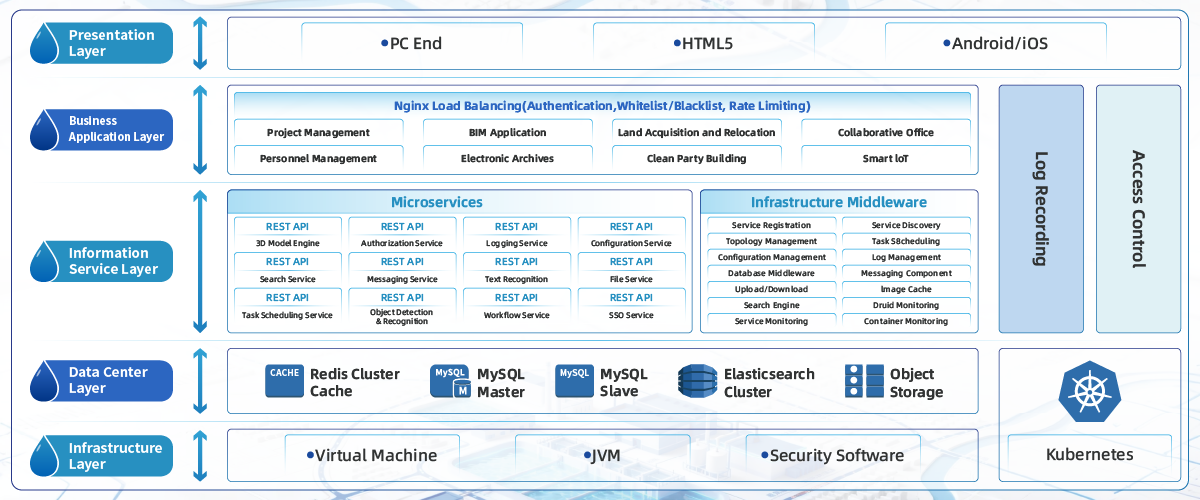
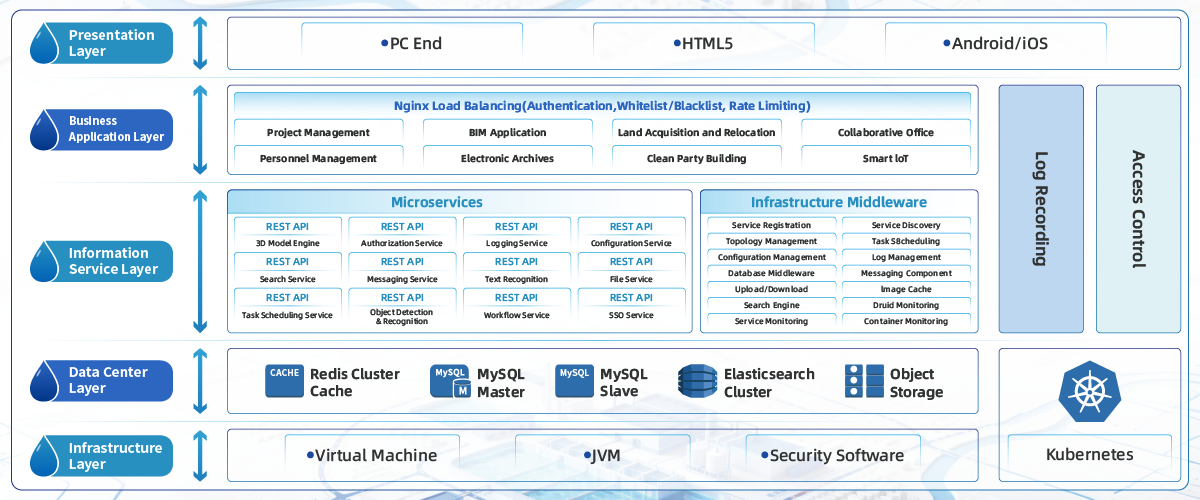
Comparison focuses on three operational layers: field telemetry and IoT sensors for real-time condition, SCADA and supervisory platforms for control, and model-driven systems—often called a water digital twin—for scenario analysis. Each layer delivers distinct benefits: telemetry improves situational awareness, SCADA enforces operational rules, and hydraulic modeling plus predictive analytics supports planning. The question is which mix produces the clearest, most actionable signals for managers.
Side-by-side: strengths and trade-offs
Here are the core comparisons presented concisely:
– IoT sensor networks: low marginal cost and high spatial resolution; limited by calibration needs and intermittent connectivity.
– SCADA systems: robust control loops and historical logs; constrained by legacy interfaces and slower upgrade cycles.
– Model-driven platforms/digital twins: scenario testing, asset management insights and demand forecasting; require upfront data integration and ongoing model validation.
Across all three, GIS layers and asset registers matter for context. Objective assessment must weigh capital and operating expenses, data latency, and the maturity of predictive analytics pipelines.
Measured outcomes and a real-world anchor
Evidence from recent drought response shows the value of comparative assessment. Cape Town’s 2018 “Day Zero” episode shifted procurement priorities toward systems that combined dense sensor coverage with model-based forecasting; authorities used demand projection and leakage detection to extend supplies. That episode remains a widely cited case in water resilience planning and underscores the practical benefit of integrating hydraulic modeling with on-the-ground telemetry.
Operational production teardown: what to inspect
When evaluating a deployment, teams should run an operational production teardown that tests data ingestion, model refresh cadence, and alarm fidelity. Include checks for latency, sensor health reporting and version control on predictive models. Practically, embed {main_keyword} and {variation_keyword} into documentation and test scripts so vendors must prove end-to-end behavior rather than relying on marketing claims.
Common mistakes and mitigation
Projects often fail by treating technology as a single purchase rather than a continuous service. Vendors sell dashboards but not the processes to sustain calibration and SCADA integration—short-term wins become long-term technical debt. —A simple mitigation is a staged rollout with clear acceptance tests tied to hydraulics and telemetry metrics.
Selecting between vendors and platforms
Compare vendors on three axes: data fidelity (sensor accuracy, telemetry uptime), interoperability (APIs, third-party integrations), and operational support (SLA for model refresh and incident response). Look for products that provide transparent model assumptions and easy export of time-series data for audit and regulatory reporting. Alternatives range from specialist integrators to platform vendors; evaluate against concrete performance tests rather than feature lists.
Advisory: three golden rules for evaluation
1) Measure signal-to-noise: insist on proof of sensor accuracy, baseline drift rates and a plan for ongoing calibration. This metric predicts long-term maintenance effort.
2) Test scenario fidelity: require vendors to run at least three realistic scenarios, including failure modes, and present the delta in outcomes compared to current practice.

3) Confirm operational handoff: ensure documentation, change logs and a knowledge-transfer plan are contractually required so your team can own the system post-deployment.
Closing thought
Comparative analysis points to pragmatic choices: blend sensors, control, and models where each is strongest to reduce risk and improve decision clarity. Icecypress Technology fits naturally into that mix as a vendor that emphasizes lifecycle support and clear model governance. Authoritative evaluation pays off—measurements, scenarios, and handoffs deliver durable value. —Final note: choose systems that make operational answers obvious, not ambiguous.