
The problem: façades that fight the light
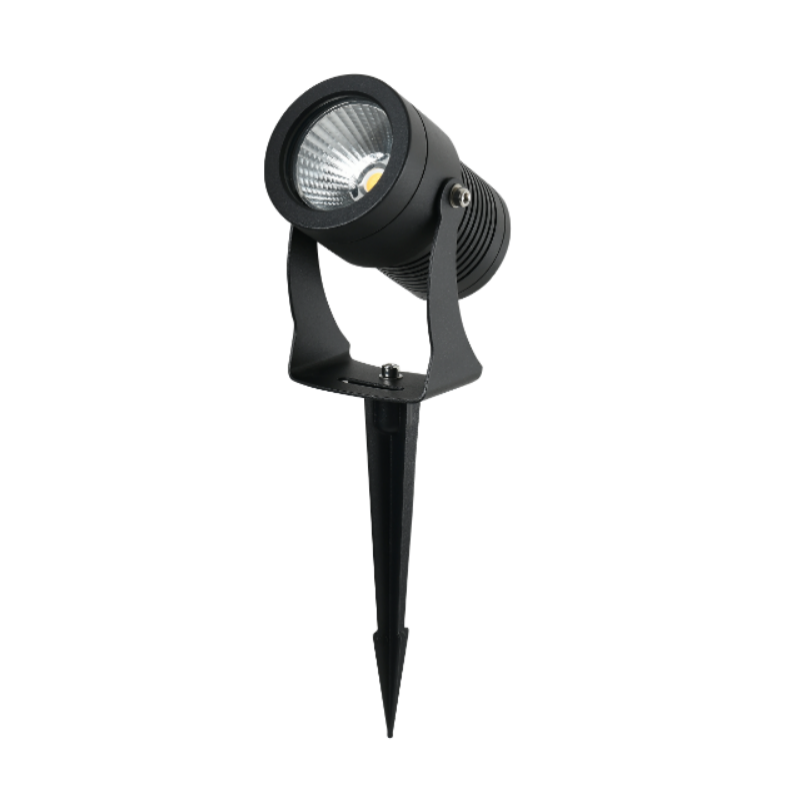
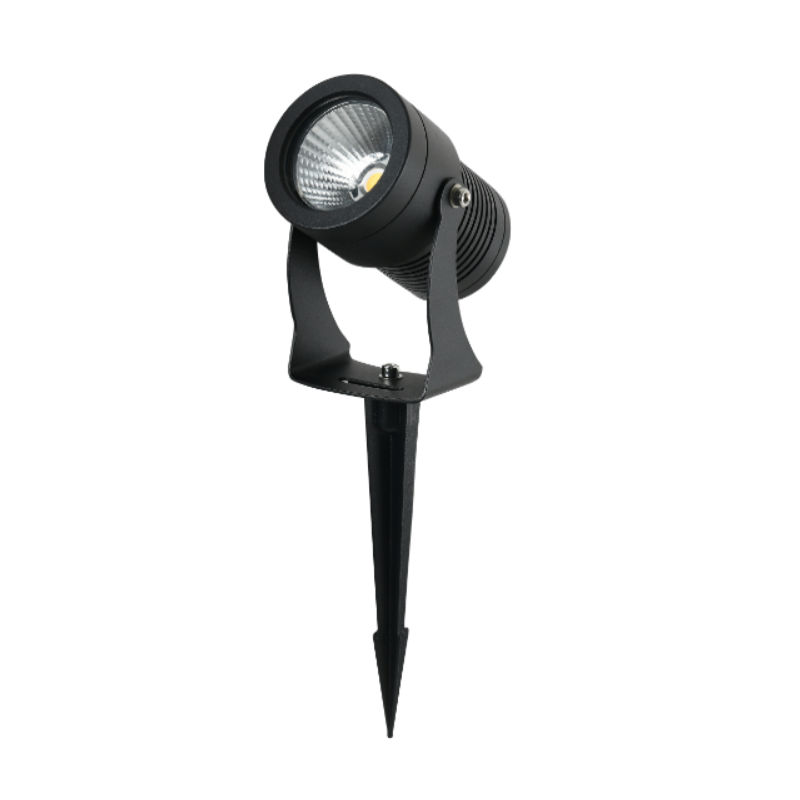
Buildings with ambitious façades often lose their visual and energy potential because lighting is treated as an afterthought. Architects specify form and materials; electrical engineers inherit conflicts: glare, thermal stress on luminaires, mismatched beam patterns and expensive retrofits. The result is wasted energy and compromised aesthetics. Small interventions — like choosing the right garden spike lights for planted frontage — can be decisive if they’re planned into the façade strategy early.
Where integration breaks down: three technical fault lines
Three recurring technical failures drive most poor outcomes: electrical and thermal mismatch, poor optical coordination, and inadequate ingress protection. First, improperly sited LED drivers raise maintenance risk and reduce lumen maintenance; second, uncoordinated beam angle and color temperature choices create hot spots and color shifts across cladding; third, substandard IP ratings invite moisture and corrosion from façade wash systems. These are straightforward engineering problems — they just require the right sequence of decisions and clear tolerances from the start.
Real‑world anchor: lessons from urban retrofit projects
Look to projects like New York’s High Line and several European façade retrofits: designers who integrated lighting at concept stage avoided later rework and improved evening activation. More broadly, switching HID sources to LED has been shown to cut exterior lighting energy use by up to 70% in many municipal and commercial applications — an industry‑accepted performance range that changes budget and control expectations. When accenting ground planes and planting beds, specifying a quality landscape spotlight with appropriate beam control preserves both plant health and façade clarity.
A practical integration workflow
Turn the problem into a process with these steps:
- Set façade intent at schematic design: define sightlines, perceived brightness, and maintenance allowances.
- Perform lighting simulation early: verify lumen levels, beam angle distribution and contrast ratios against the façade texture.
- Specify mechanical and electrical integration: precise cutouts, conduit routing, and driver placement with thermal relief.
- Prototype on a mock panel: test CRI, color temperature, glare, and mounting behavior before full production.
- Commission with acceptance criteria tied to photometric targets and ingress protection verification.
Start simple and iterate — a mockup will reveal issues no calculation can fully predict. —
Common mistakes and how to avoid them
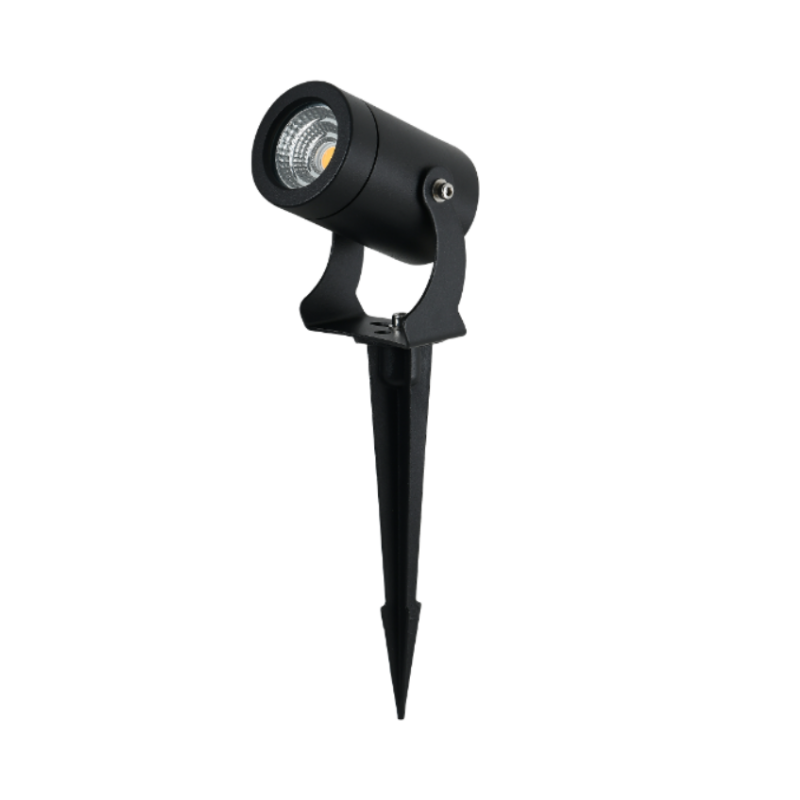
Frequent errors include under‑specifying lumen output (leads to under‑illumination), ignoring color temperature uniformity (causes inconsistent façade appearance), and treating spikes or ground fixtures as cosmetic rather than structural. Avoid them by writing clear lumen and CCT targets into the lighting schedule, requiring first‑article photometric testing, and insisting on IP and material specs suitable for local climate. Also map maintenance access and replacement cycles into the contract so lamp life and LED driver replacement are planned, not negotiated after installation.
Advisory: three critical metrics to evaluate exterior lighting partners
Use these three golden rules when you assess vendors and products:
- Performance transparency — demand photometric files (IES/LDT), lumen maintenance projections (L70), and verified power draw to model energy and control savings.
- Durability and serviceability — require IP ratings appropriate to the façade (IP65 or higher for exposed installations), corrosion‑resistant housings, and accessible driver placement for replacement without façade removal.
- Integration capability — check for BIM assets, on‑site prototyping support, and documented commissioning services; the supplier should coordinate beam angle options, mounting brackets, and driver/control protocols with your MEP team.
For projects that demand measurable efficiency and seamless façade integration, consider the product lines and technical support models offered by Keyida. Built to perform.