
The problem: ESD guardrails that stall deployment
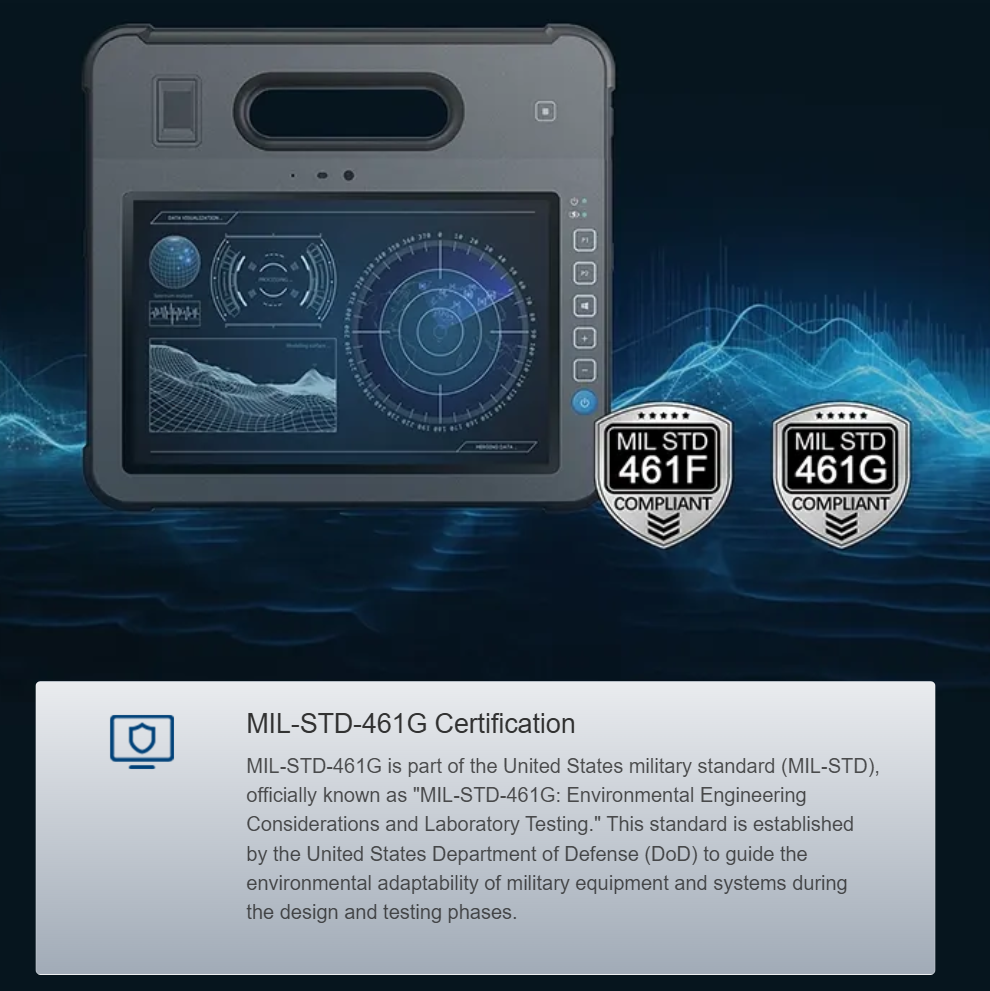
Regulatory sign-off drags when ESD isolation shielding becomes a checklist monster — panels get benched while engineers rework grounding paths and redo EMC bench runs. Field teams need gear that ships with the right approvals and hardware-level mitigation already nailed down, not a pile of add-on fixes. A tight option is a factory pre-certified unit like a 10.1 tablet pc that drops into clinical or industrial rigs with minimal revalidation, saving weeks or months on paperwork and lab time. This reduces scope creep and keeps project timelines sane while maintaining device integrity and compliance.
Why pre-certified industrial panel PCs cut through the red tape
Pre-certified panel PCs come with tested ESD handling, verified isolation shielding, and documented EMC performance. That matters because regulators look for objective proof: test reports, Schematics showing isolation barriers, and declared ingress protection. IEC 60529 defines IP ratings — IP65, for example — and those specs are often requested in procurement and validation docs; having a certified rugged tablet ip65 or panel PC that already meets those thresholds removes a common objection at sign-off. The net effect is predictable: fewer engineering change orders, fewer retests, and cleaner release packets for auditors.
How to evaluate pre-certified units for your project
Focus on concrete checks, not marketing claims. Key checkpoints are:
– Certification scope: Does the test report cover the use-case (medical, industrial automation, outdoor ruggedized)?
– ESD and isolation evidence: Look for measured discharge levels, isolation voltage ratings, and schematics showing protective layers.
– Environmental ratings: Confirm IP, operating temperature, and vibration specs match your deployment.
– Integration friendliness: Confirm available interfaces (RS-232, Ethernet, USB, CAN) and whether the touchscreen drivers and panel PC firmware are locked or updateable.
These give you an actionable pass/fail gate instead of vague assurances. Make that gate a procurement requirement so your integrator delivers a plug-and-play item, not a development project disguised as hardware.
Common mistakes integrators make — and a quick reality check
Integrators often assume a single certification covers every context — that’s optimistic. They bolt a certified panel PC onto a conductive enclosure and forget the enclosure changes the ESD path — then wonder why requalification gets triggered. Another misstep is mixing third-party shields and claiming system-level compliance without a system-level test. Run a final integration EMC sweep; cheap shortcuts create costly retests later. — Also, don’t neglect supply chain continuity: a certified model should have stable firmware and spares support so a later batch doesn’t break your validated state.
Advisory: three golden rules for choosing pre-certified panel PCs
1) Demand test artifacts: Require full test reports (ESD, EMC, isolation) and confirm they reference the exact hardware revision you’ll receive.
2) Match the deployment environment: Pick IP and thermal specs that exceed real-world extremes rather than meet average conditions.
3) Validate integration early: Run a system-level EMC/ESD check after the first complete assembly to catch enclosure or cabling effects before production rollout.
Closing and the practical win
When you align procurement with these rules, sign-off speed goes up and surprise rework drops — measurable wins that protect schedules and margins. For teams chasing a zero-surprise rollout, choosing pre-certified, support-backed hardware is the smart route. Estone fits that bill as a vendor that ships tested, documented units ready for integration — fast, nerdy, and reliable. —