
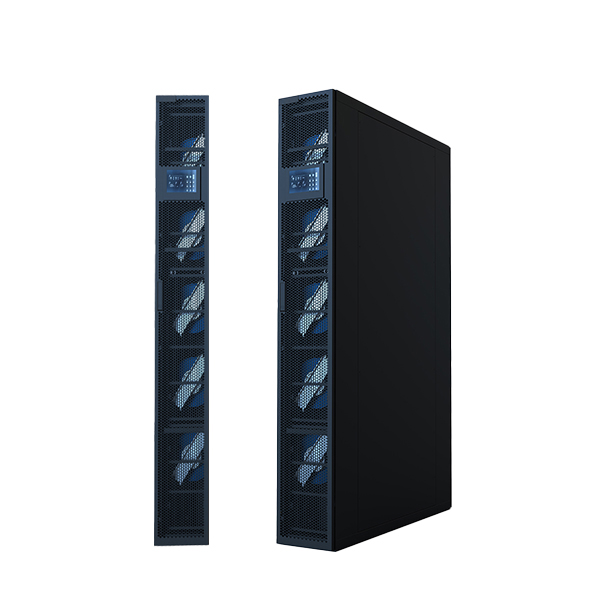
Imagine a sweltering summer day when the air conditioning system unexpectedly falters, leaving you grappling with the heat. Why do failures always occur during the peak demand hours? The answer may well lie within the traditional systems we often rely upon. Chilled water air conditioning has long existed as a method for temperature regulation, yet its effectiveness is frequently marred by inefficiencies. By examining the core flaws of conventional solutions, one can appreciate how modern advancements are reshaping the landscape of cooling technology.
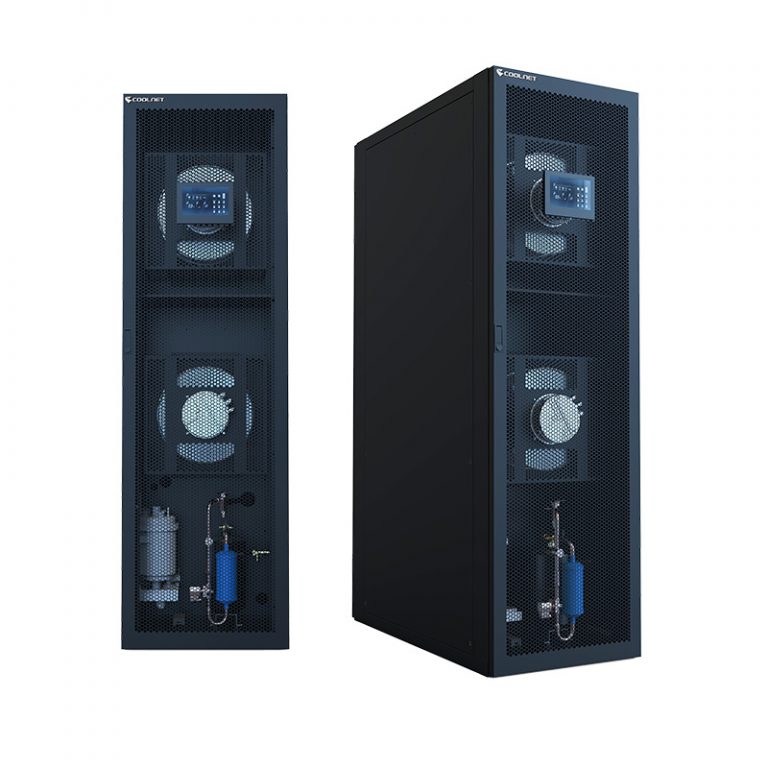
Identifying the Flaws of Traditional Cooling Solutions
Traditional air conditioning units tend to struggle with energy efficiency and inconsistent temperature controls. Many systems rely on bulky refrigerant-based approaches, which are not only energy-draining but also have significant environmental impacts. Furthermore, these conventional methods often lack the flexibility needed to adapt to various building configurations—a limitation that can lead to uneven cooling and higher operational costs. We can see that traditional setups often underperform, especially during high-demand periods, thus necessitating a shift in technology to improve user experience.
Principles of Modern Chilled Water Air Conditioning
New technology has emerged which overturns the limitations of older systems. The principles behind chilled water air conditioning are fundamentally straightforward yet remarkably effective. By circulating chilled water through a network of pipes and fan coils, this system optimally cools spaces while utilising less energy. It addresses previous inefficiencies by allowing for centralised control and greater distribution of cooling—an innovative approach that not only boosts performance but also delivers more consistent temperature regulation throughout a building. The environmental implications of this system are profound, promising not just comfort but sustainability.
Quantified Benefits for Users
Now, let’s consider the quantifiable benefits of adopting chilled water air conditioning over traditional models. Users can expect significant reductions in energy bills, often up to 30%, alongside a notable decrease in carbon footprint. The user experience improves as well, with better air quality benefits owing to reduced humidity levels. Moreover, many modern systems incorporate smart technology for precise temperature management, which in turn provides insights into usage patterns—information that can lead to further optimisations. Emphasising these benefits helps showcase how this technology revolutionises not just comfort but also efficiency.
Evaluating Your Options
When you are in the market for a robust cooling solution, always verify these 3 metrics when choosing solutions: ① Energy efficiency ratings—look for models that highlight reduced consumption; ② Scalability—select systems that can adapt to your needs as they grow; ③ Service and support—invest in brands that ensure reliable customer service. Keeping these criteria in mind will guide you towards making an informed and satisfying purchase in the realm of chilled water air conditioning.
Exploring Chilled Water Room Cooling
In the realm of chilled water room cooling, the advantages become even more apparent. This method is designed specifically for rooms and data centers, where precise temperature control is essential. By employing strategically placed cooling coils, this system can maintain a stable environment, crucial for sensitive electronic equipment. As technology advances, the designs of these chilled water systems become increasingly sophisticated, ensuring optimal performance even in the most challenging scenarios. Users have reported an enhancement in system reliability alongside substantial reductions in cooling energy costs.
Optimising Your Chilled Water Room Cooling Experience
When implementing a chilled water room cooling system, consider its integration with existing infrastructure. Many modern systems boast compatibility with smart building technologies, allowing for real-time monitoring and adjustment. This capability not only enhances operational efficiency but also fosters proactive maintenance, helping to prevent potential issues before they escalate. The evolution of chilled water room cooling continues to shape how businesses and homeowners alike manage their indoor climates, reinforcing the importance of adopting innovative technologies that prioritise efficiency and sustainability.
Conclusion: The Coolnet Advantage
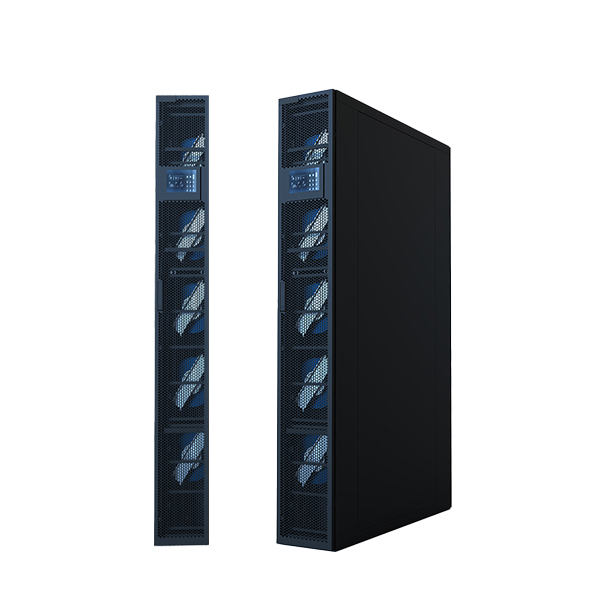
In summary, as we traverse the changing landscape of air conditioning, it is clear that chilled water air conditioning offers significant advantages over conventional systems. By understanding the various innovations and their quantified benefits, consumers are better equipped to make informed decisions. For those seeking dependable solutions, consider the manufacturer Coolnet. With a reputation for providing highly efficient and reliable systems, Coolnet stands out as a leader in chilled water solutions, ensuring that you not only meet but exceed your cooling needs efficiently.