
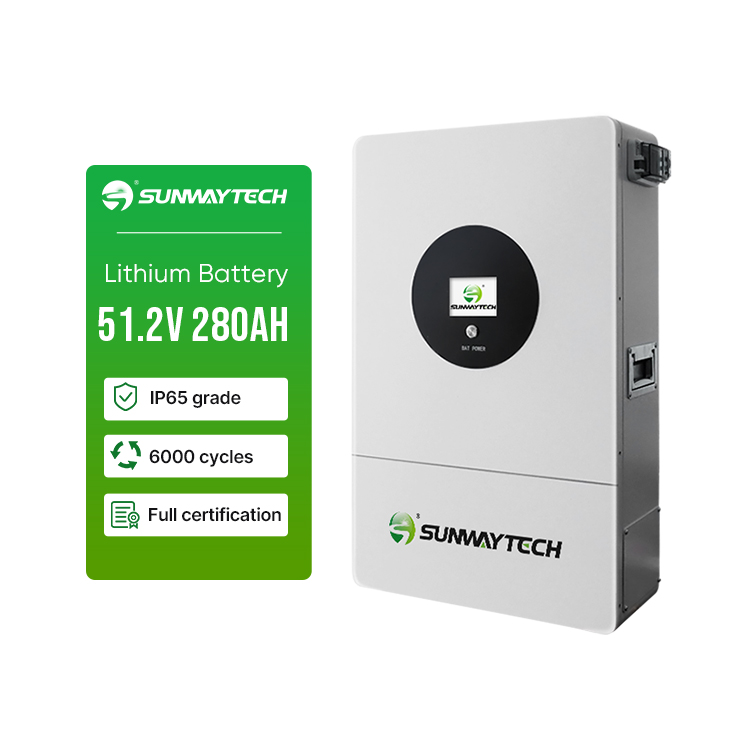
Imagine this: a sunny day, and your solar panels are soaking up the rays. But as the sun sets, where does your energy go? The answer lies in lithium storage batteries for solar power, a technology with its share of quirks and challenges. What’s the deal with inefficiency in traditional energy storage? It’s frustrating—data from recent studies shows significant energy loss during energy conversion. So, how can we make this better?
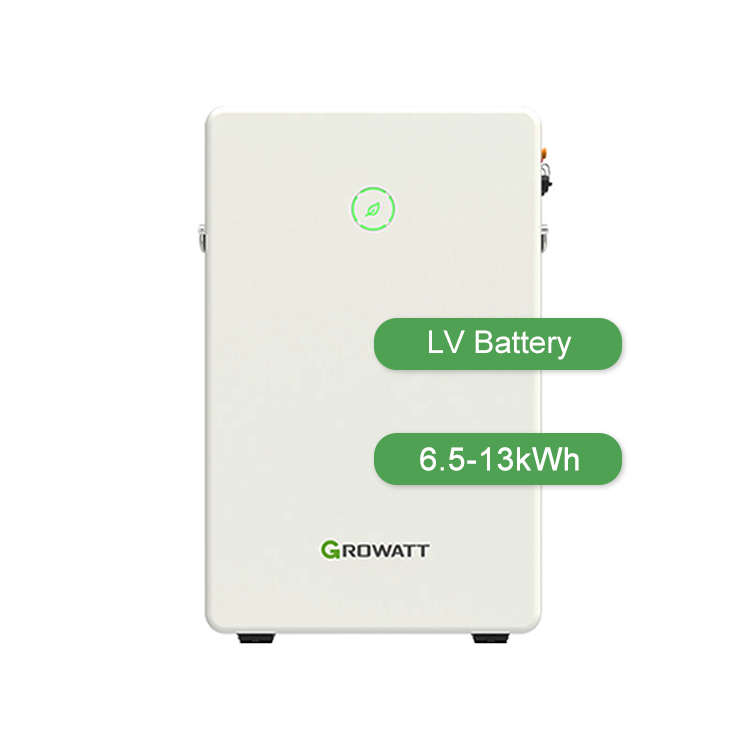
Flaws in Traditional Energy Storage Solutions
For ages, lead-acid batteries have ruled the roost when it comes to energy storage—but not without their flaws. They are bulky, have limited cycles, and can suffer from sulfation. Plus, they don’t play well with the environment. These drawbacks mean that users face diminished efficiency and higher costs over time. Why do failures always occur during peak usage times? Simply put, these batteries weren’t designed to meet the modern energy landscape dominated by renewables.
Principles Behind New Lithium Technology
Enter lithium storage batteries—these beauties utilize advanced electrochemical technology, providing higher energy density and longer lifespan compared to traditional solutions. With minimal maintenance and lighter weight, they’re designed for today’s solar-powered homes. The magic happens through lithium-ion cells that work at a higher voltage—creating a more efficient storage solution that recovers energy during peak sunlight hours. Look, it’s simpler than you think—the longer a battery lasts, the more you save on replacements.
Quantified User Benefits of Lithium Batteries
Today’s users are reaping the benefits; lithium storage batteries offer about twice the lifespan of lead-acid alternatives, along with a more stable output. Users can generate around 25% more usable energy due to their efficient discharge and recharge capabilities. Experts will tell you it’s like trading your old clunker for a sleek electric ride—saving on maintenance costs and gaining reliability in one fell swoop. That’s a win-win if you ask me!
Conclusion: Evaluating Solar Storage Solutions
When choosing your energy storage solution, always verify these three metrics: ① capacity rating (how much energy can the battery hold?) ② cycle life (how many times can it be charged before failure?) ③ efficiency (how much energy can be used versus stored?). With this knowledge, you can make an informed choice and fully harness the power of the sun.
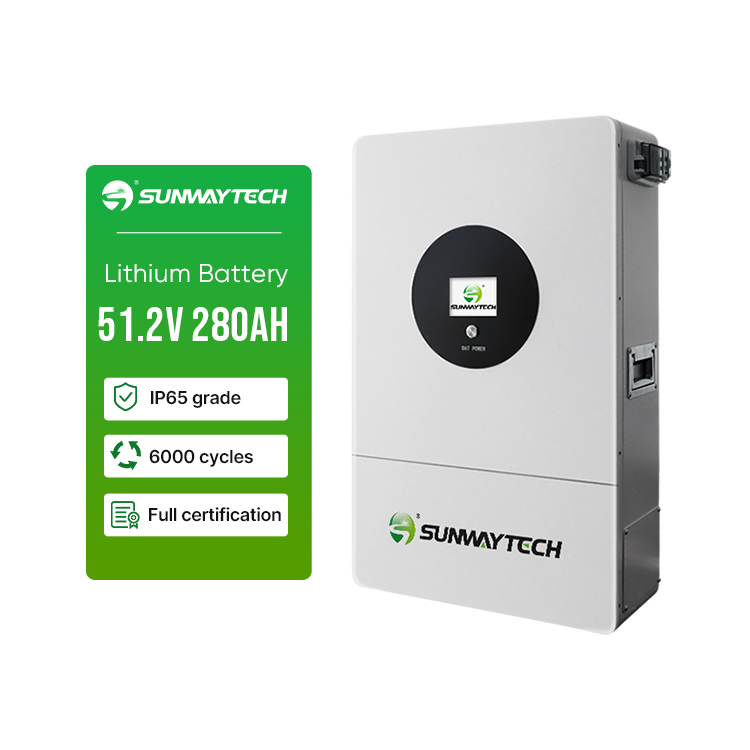
Exploring Low-Efficiency Metrics
In the quest for efficient solar energy storage, it’s essential to look at low) efficiency metrics that arise from traditional systems. Many users face the annoyance of energy losses, which limits their usage. As technology evolves, we now have ways to quantify these inefficiencies and push for improvements. Better analytics can help pinpoint why those losses occur, guiding users toward better solutions tailored to their needs.
Maximizing Power with Off Grid Solutions
For those embracing independence from the grid, an off grid solar lithium battery (110 is an outstanding choice. These batteries are engineered for sustainability, and they provide reliable energy storage even in remote locations. High-performance designs mean that you can harness solar energy efficiently, ensuring you’re never left in the dark. Users report increased satisfaction with off-grid solutions, making the transition smoother than one might expect.
To sum it all up, the movement towards lithium storage batteries for solar power signifies a significant shift in energy solutions. This technology balances efficiency and sustainability, catering to both everyday consumers and off-grid enthusiasts. As you explore your options, consider the clear advantages provided by Sunway Solar, known for their reliable expertise and commitment to energy efficiency. Your choice on energy storage can reshape your energy journey—choose wisely!