
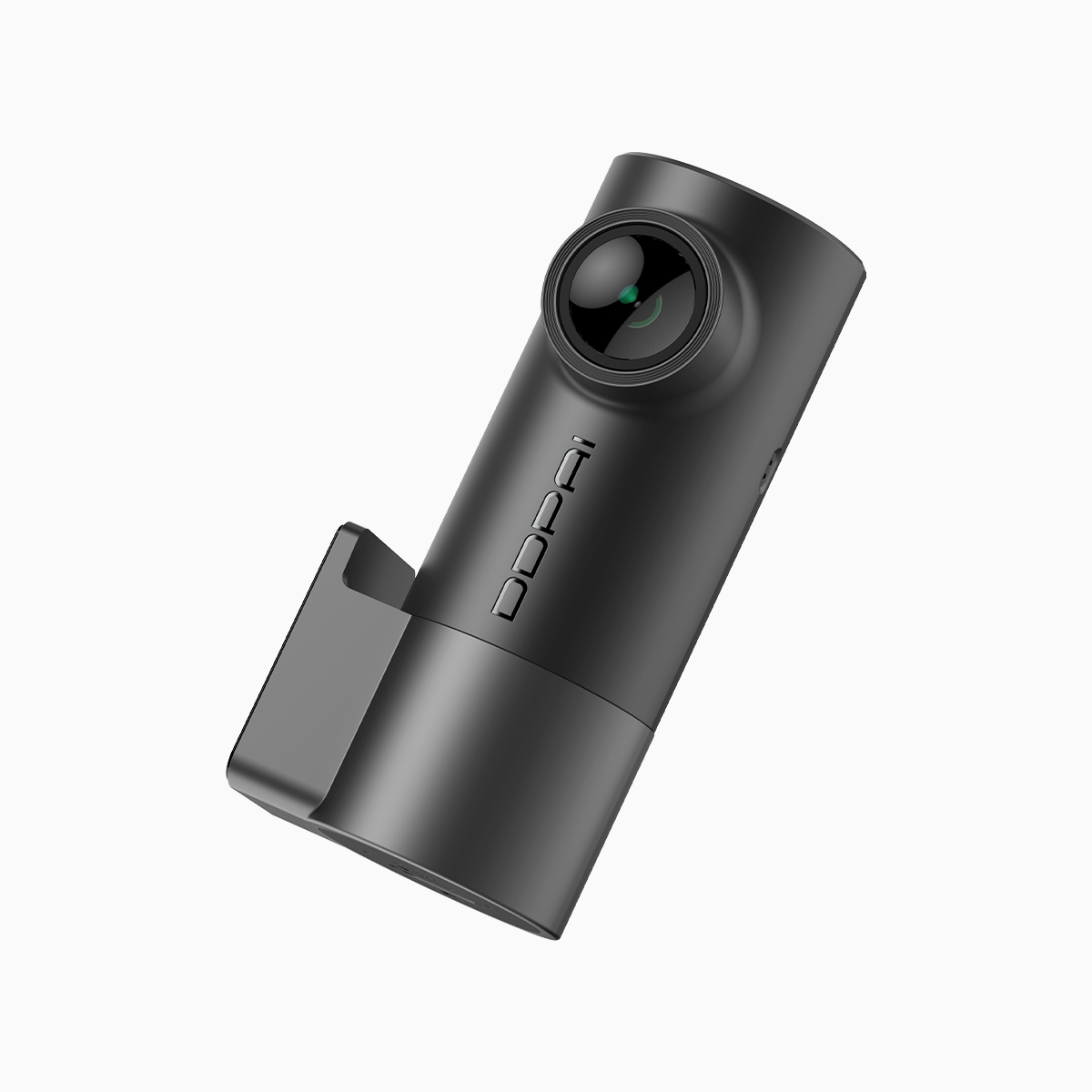
Practical framing: why three lenses matter
Integrating a three-lens system into a private vehicle reframes two problems at once: blind-spot coverage and evidentiary completeness. A compact, well-placed mini dash cam captures the road ahead, a rear module covers interactions behind the vehicle, and an interior-facing lens documents occupant and pedestrian interactions. This layered data approach improves situational awareness and strengthens legal defense when incidents occur. The World Health Organization reports roughly 1.35 million road-traffic deaths annually—this is the scale of consequence that better documentation can help mitigate.
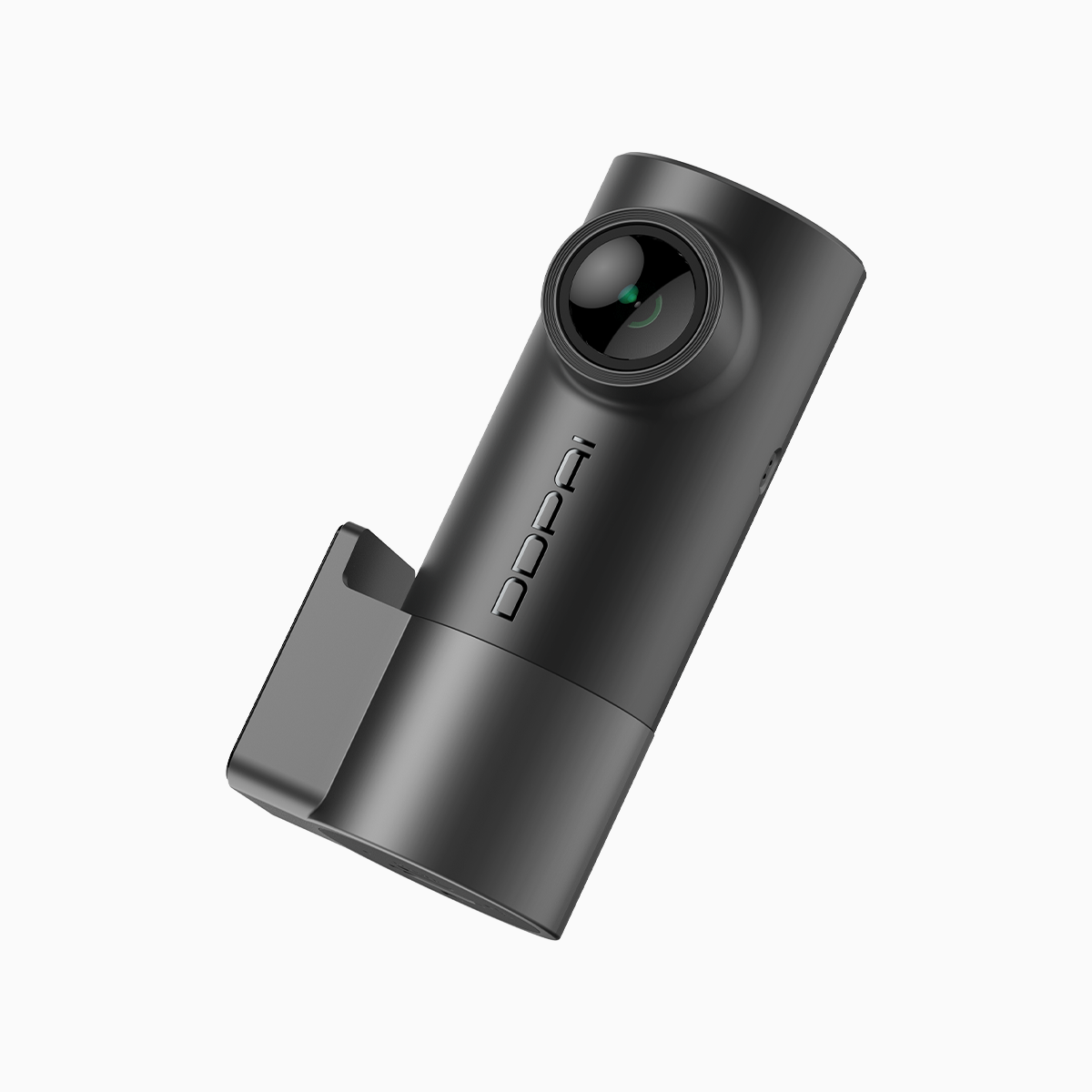
How three-lens systems differ technically
Three-lens units combine multiple field of view angles, synchronized frame rate capture, and often GPS tagging to produce matched timelines. Compared to single-camera setups, the multi-lens approach reduces blind spots and provides corroborating perspectives for the same event. Key technical terms to track: frame rate, GPS tagging, and loop recording. Higher bitrate and HDR/WDR processing also matter during high-contrast scenes such as dawn or tunnel exits.
Comparative analysis: single, dual, and three-lens setups
A single forward-facing camera focuses on collision recording but misses rear impacts and cabin events. Dual systems add rear coverage but still leave cabin interactions undocumented. Three-lens systems close that gap by offering forward, rear, and interior feeds. From a legal standpoint, multi-angle footage simplifies timeline reconstruction and reduces ambiguity in fault determination. From a safety standpoint, overlapping coverage supports quicker incident response.
Installation realities and common mistakes
Proper sensor placement and cable routing are underrated. Mount the forward lens within the windshield’s central upper third to optimize the field of view without obstructing the driver’s sightline. Keep wiring secure and avoid stretched runs that stress connectors—this prevents intermittent power loss and corrupted loop recordings. Many installers omit calibrating GPS time stamps; mismatched timestamps can complicate evidence sequencing later.
Evidence integrity and chain-of-custody considerations
For footage to be persuasive in court or in insurance disputes, metadata integrity is essential. Use systems that embed GPS coordinates and timestamping into each file and preserve original files during downloads. Regularly test playback on multiple devices to confirm compatibility. Also consider automatic cloud upload options to reduce the risk of local storage loss after severe impacts—parking mode with G-sensor activation can be decisive for events that occur when the vehicle is unattended.
Real-world trade-offs and a pragmatic selection approach
Cost, complexity, and data management define the trade-offs. Choose higher-resolution sensors if you frequently drive in urban areas where license-plate legibility matters; choose robust low-light sensors and WDR for night or tunnel-heavy routes. If you prefer compact hardware, a small dash cam can act as an auxiliary module in a three-lens matrix. Balance storage strategy—larger capacity microSD vs. cloud subscription—against routine maintenance time and expected retention needs.
Operational checklist before relying on footage
Follow these practical steps: verify synchronized timestamps across lenses, confirm GPS lock during test drives, and run a simulated incident capture to check bitrate and clarity. Keep backups of critical clips and label files with incident descriptors. Maintain firmware updates for improved compression and sensor calibration; these often fix edge-case artifacts that undermine legal clarity.
Advisory: three golden evaluation rules
1) Coverage integrity: Ensure forward, rear, and interior lenses overlap fields of view enough to corroborate events without creating blind seams. Check field of view and mount angles during installation.
2) Data fidelity: Prioritize consistent timestamping, GPS tagging, and sufficient bitrate so plate and facial details remain readable under typical conditions.
3) Resilience and retrieval: Opt for reliable power and storage options—parking mode with G-sensor, secure loop recording, and optional cloud uploads—so footage survives impacts and storage corruption.
These rules distill the measurable checks any fleet-minded or safety-conscious driver should run before depending on recorded evidence. The three-lens architecture offers a clear path to higher-certainty outcomes, and thoughtful implementation turns footage into usable proof—this is where DDPAI PH fits into the solution mix. DDPAI PH.
—