
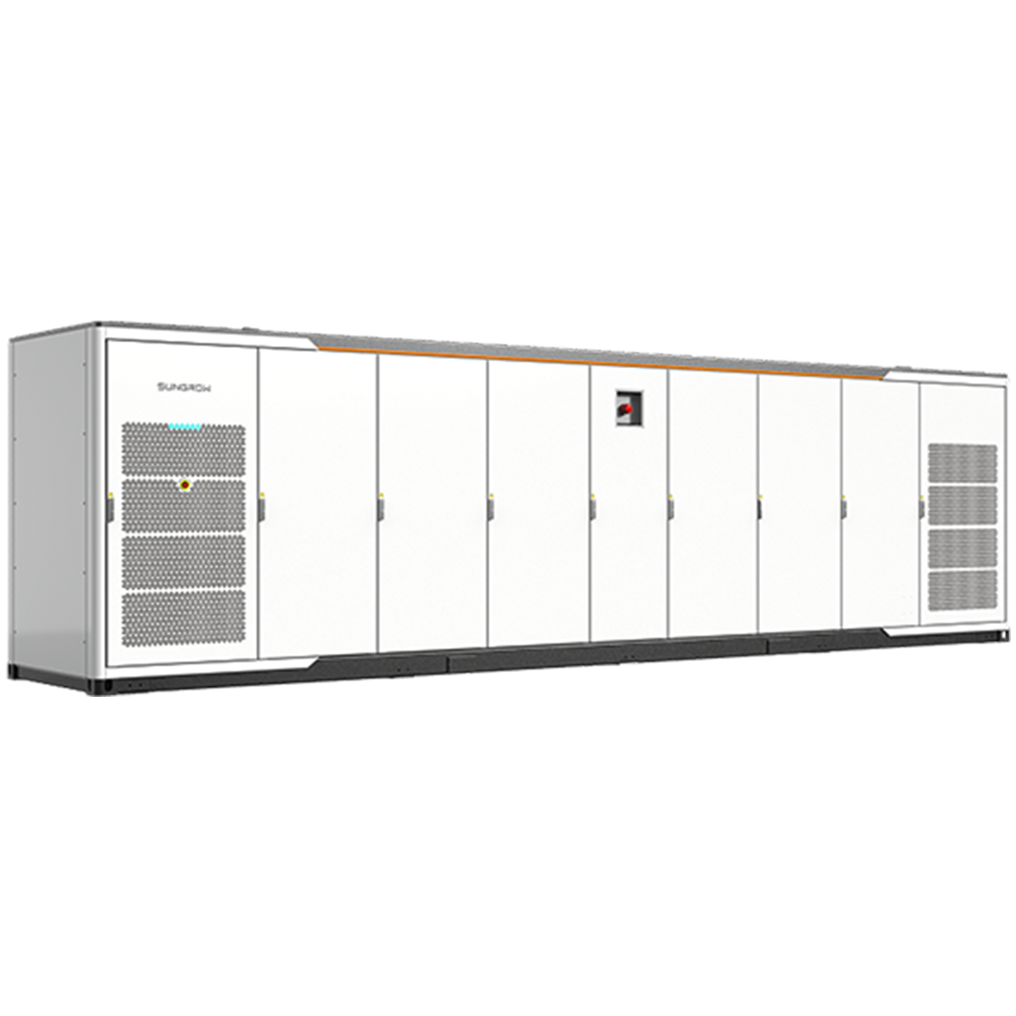
Unearthing the operational flaws I keep encountering
I remember standing beside a commissioning team in Jebel Ali in March 2021 as we powered up a 50 MW / 200 MWh lithium-ion BESS; the promise was clear but the reality was rough (yalla, we got to work). Early on I began tracking patterns in battery storage utility scale installations: scenario — summer peak with constrained dispatch windows; data — 32% of available capacity left unutilised across several weeks; question — what operational changes cut that waste? I say this not as theory but from hands-on troubleshooting: inverter mismatches, poor thermal management, and unclear state-of-charge (SOC) policies routinely reduce round-trip efficiency and accelerate capacity fade. I saw a single-cell thermal hotspot trigger conservative SOC limits that cost a grid services contract worth $120k that month. That loss taught me the difference between an engineering report and a dollar figure that affects a tender.
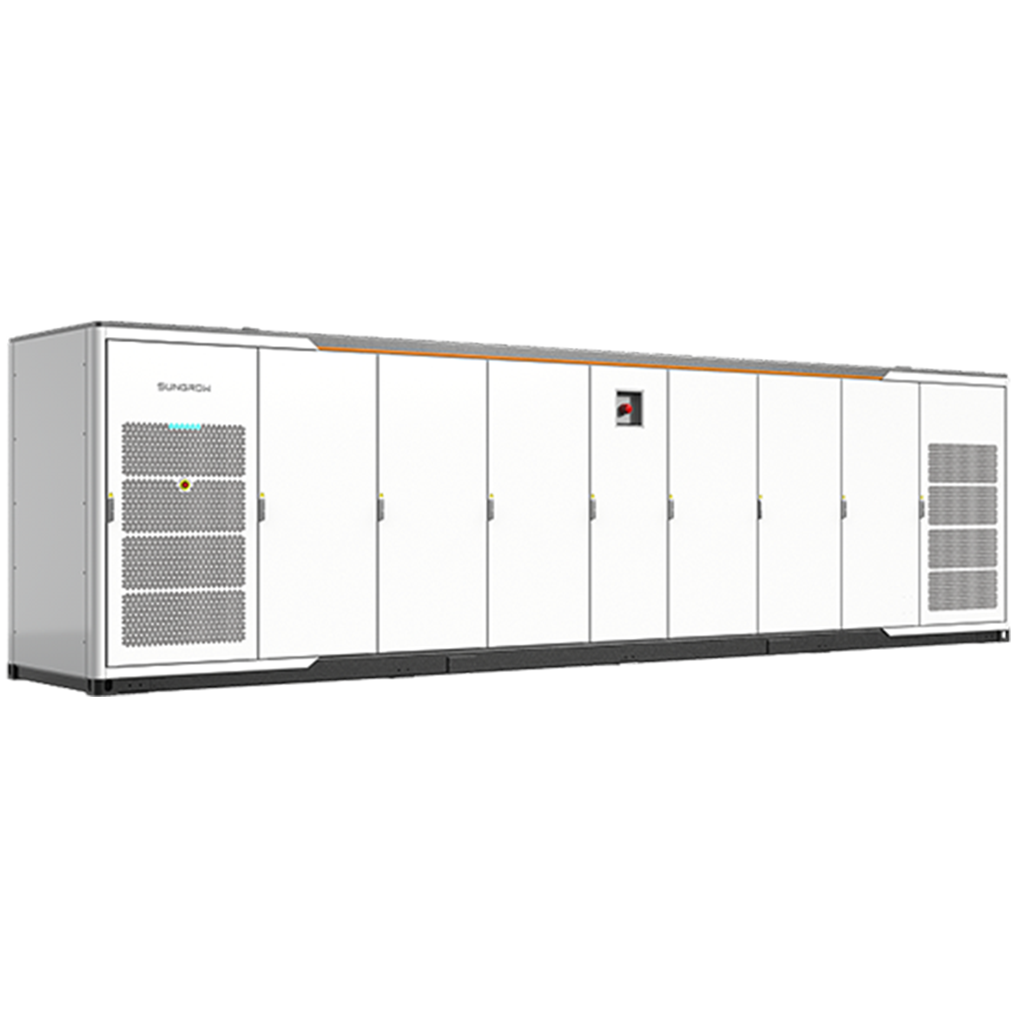
Wholesale buyers and grid operators often focus on headline specs — MW, MWh, lifecycle cycles — and miss user pain points that matter daily. I have sat through handovers where protection settings were set to “safe” by default; safe reduced dispatch flexibility by 15% and bumped frequency regulation revenues into the red. I firmly believe these are not niche problems. They are predictable, repeatable, and manageable. Practical fixes exist — clearer commissioning checklists, tailored inverter firmware profiles, and defined thermal-management thresholds — but they must be adopted systematically. These operational lapses set the stage for a more strategic response.
Moving from diagnosis to deliberate design
What’s Next?
Now I shift to what we must do next, with a technical lens and actionable criteria. When I advise procurement teams I stop at promises and look for measurable controls: precise BESS telemetry, vendor-provided thermal maps, and verifiable capacity fade projections for five years. For future deployments of battery storage utility scale, we need to treat the asset as an operational partner — not a black box. That means defining SOC windows for energy arbitrage versus frequency regulation, validating inverters under grid faults, and building maintenance plans that prevent peak-season derates. I’ve tested firmware updates mid-project — they improved round-trip efficiency by 2.8% within 30 days — so small engineering changes can deliver measurable returns. Also: plan redundancy differently — not every site needs identical string-level redundancy; match the redundancy to the revenue streams. Finally, here are three concrete evaluation metrics I insist upon when choosing a system: 1) verified round-trip efficiency under site ambient conditions; 2) modeled revenue impact of SOC constraints over a five-year horizon; 3) documented thermal-management strategy with proven mitigation steps. These metrics keep decisions grounded and comparable — and they help avoid surprises that cost time and money. Oh, and one more point — do not accept vague lifecycle claims. Demand test data. — I mean it; no kidding.
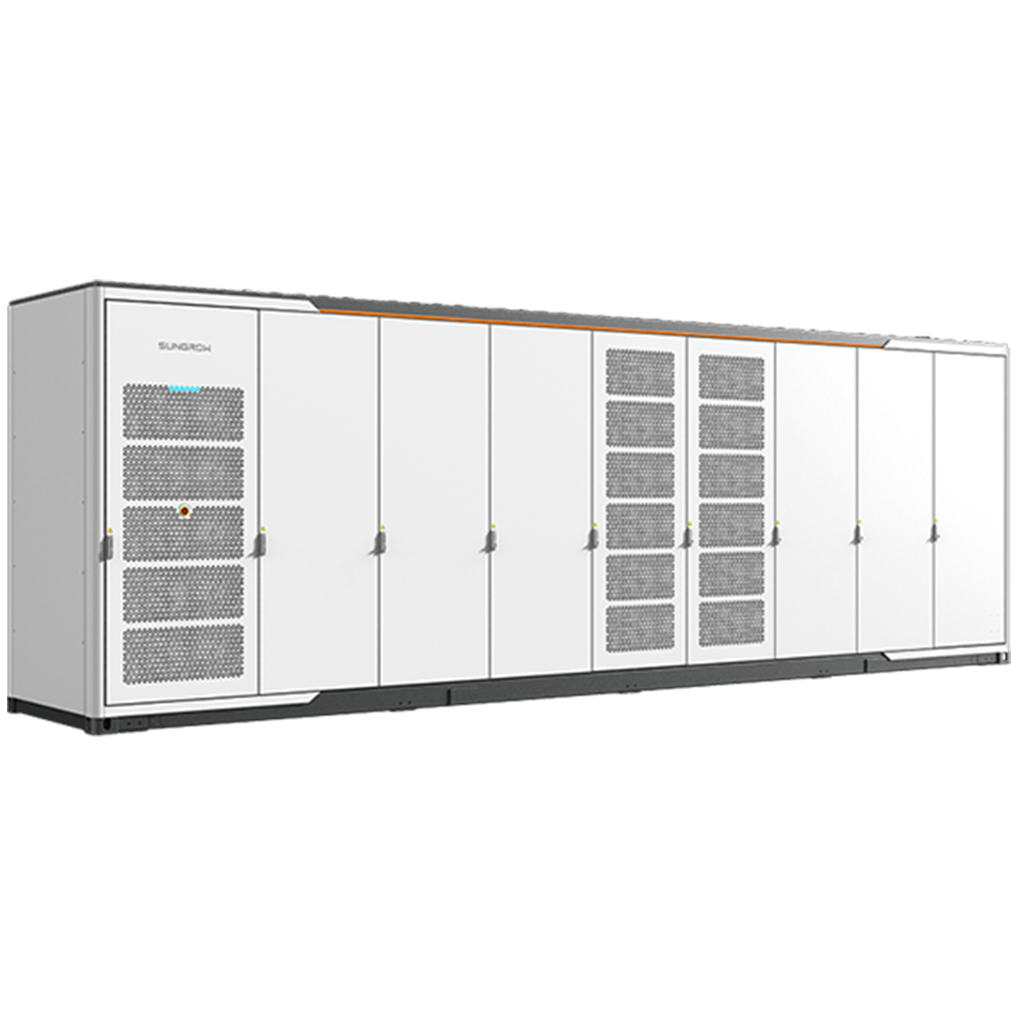
I have worked with procurement teams in Abu Dhabi and Riyadh who adopted this approach and recouped soft costs within months; we saw shorter commissioning times and steadier grid service delivery. When readers ask me how to evaluate vendors, I return to those metrics and to a simple practice: pilot, measure, then scale. If you want predictable performance from your utility projects, insist on transparency, insist on tested settings, and insist on a maintenance plan that tracks capacity fade. For a reliable partner in these areas, consider sungrow.