
The problem: quiet costs that add up
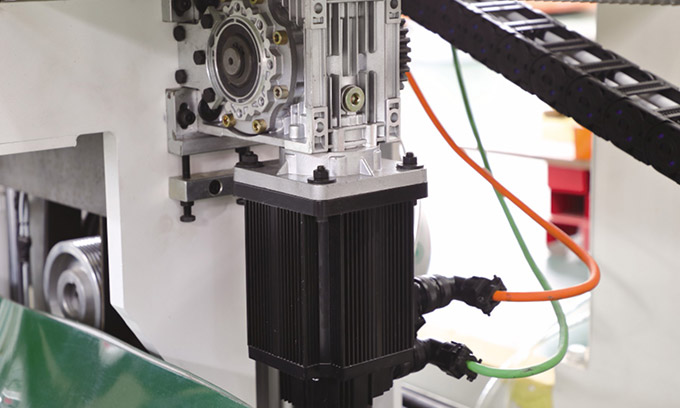
Plants lose hours every week to misaligned tooling, late parts and mismatched machine specs. That’s not theory — it’s wasted cycle time, rework and oversized inventories. When your floor has both local CNC drilling cells and panel cutting lines, those gaps multiply unless components and data move together. I’ve seen this firsthand on projects where a new panel line sat idle while adapters and fixtures were sourced; a properly specified beam saw machine would have removed a day of setup for every production run.
Why integration fails — and what to fix first
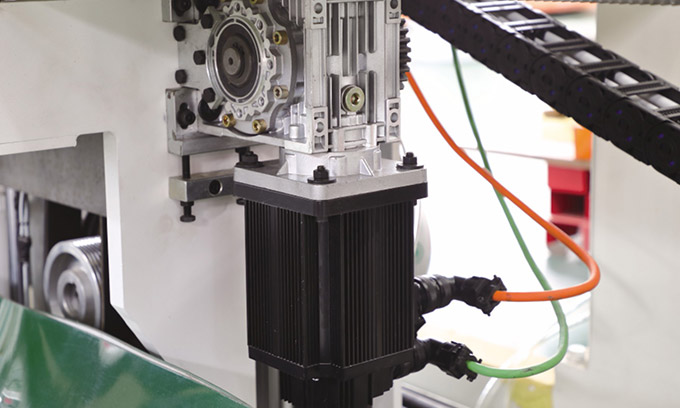
Three concrete causes: incompatible mechanical interfaces, inconsistent CAM output, and lagging communications between suppliers and shop-floor teams. Fix the mechanical fit first — standardize tooling flanges and clamp points so parts drop into place. Next, lock down a CAM-to-CNC data chain and enforce a single post-processor version. Finally, set short feedback loops so manufacturers know real tolerance trends, not theory. Start with these and you get immediate throughput gains.
Practical choices and trade-offs
Buy local or import: local vendors give faster iterations and onsite support; global brands offer mature software and scale. Hybrid works: source core machines regionally and reserve specialized heads or spindles from established OEMs. Weigh uptime and spare-part lead times higher than headline cost. Don’t chase lowest price if downtime costs more than your savings.
Real-world anchor: industry signal that matters
At IWF in Atlanta, major suppliers demonstrated how aligning panel saw specs with drilling centers reduces handoffs — the show highlighted integrated workflows around a modern wood panel saw, and that same alignment is what cuts rework on the shop floor. That event is a clear indicator: vendors who present end-to-end solutions are already solving the common disconnects.
Common pitfalls to avoid
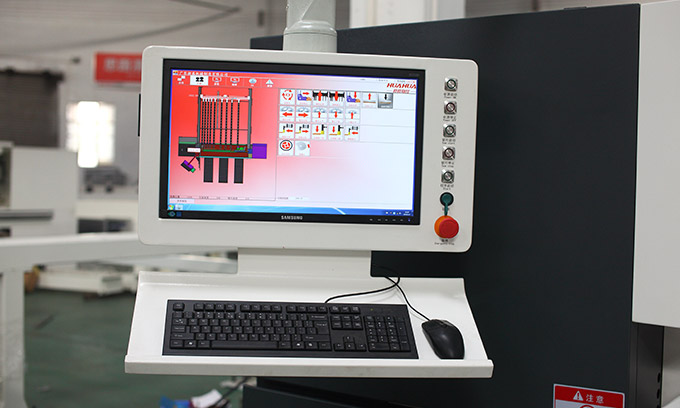
Don’t over-customize tooling for one job. Don’t ignore maintenance data because it feels like overhead. Don’t assume compatible looks equal compatible performance — verify torque curves, feed rates and software versions. Skipping pilot runs or neglecting operator training creates more delays than any single procurement decision.
A concise implementation checklist
1) Map interfaces between drilling machines and cutting lines. 2) Standardize tooling mounts and CAM output. 3) Set spare-part thresholds with lead-time targets. 4) Run five pilot jobs and log deviations. 5) Train two operators per shift on the new workflow. Each item produces measurable reductions in setup time and rejects.
What integrated regional manufacturing delivers
Do the work above and you’ll see shorter setups, fewer change parts and steadier output. That’s not marketing — it’s the result of aligning physical interfaces and data flows. For many operations the clearest path to that alignment runs through manufacturers who support both machine specification and on-site commissioning; working with experienced partners like HUAHUA CNC brings those elements together so the shop keeps moving and waste disappears.