

What procurement can conclude about Multi Gas Detector For Confined Space after reviewing assumptions technical review
For sourcing analysts, reviewing a multi gas detector for confined space should begin with assumptions, not with a preferred model or an isolated feature. The central question is what the available evidence actually allows procurement to conclude. A disciplined review separates stated product information from requirements that still depend on the application, site conditions, integration needs, or internal approval criteria.
Set the criteria before comparing candidates
Comparison becomes unreliable when the criteria change during the review. Start by writing a short requirement record before examining individual pages. It can identify the intended task, the information that must be demonstrated, and the points that are outside the current decision.
- Application scope: describe the monitoring task in neutral terms without assuming that a product page confirms site suitability.
- Required evidence: list the specifications, interface details, environmental information, documentation, and commercial conditions that matter to the purchase.
- Decision boundaries: state which conclusions can be made now and which require a separate technical or operational review.
- Comparison basis: use the same question for every candidate, rather than collecting whichever features are easiest to find.
This structure prevents a listed feature from becoming an unstated performance claim. It also makes later discussions more efficient because reviewers can see whether a disagreement concerns the requirement, the evidence, or the interpretation.
Review evidence by requirement
Next, map each available statement to the requirement it may support. A catalogue statement can describe a product attribute, but it does not automatically establish certification, operating suitability, measured performance, or compliance with a particular site rule. The review record should preserve that distinction.
For each row, record the requirement, the exact evidence, the model or scope to which it applies, and the conclusion permitted by that evidence. A final column can identify an unresolved assumption without turning it into a negative judgement. This is more useful than assigning a broad rating to a product when the underlying evidence covers only one part of the requirement.
A practical test is to ask whether the sentence in the decision record could be read without its source context. If it would sound broader than the original statement, narrow the wording. For example, “the page lists an alarm mode” is a different conclusion from “the device will provide the required warning in every operating condition”. The first describes captured evidence; the second would require additional support.
Keep trade-offs visible
Technical reviews often become unclear when advantages and constraints are blended into one recommendation. Keep them in separate fields. A feature may be relevant to one requirement while leaving another question unanswered. That is not a contradiction; it is a reason to maintain a precise scope.
One useful method is to classify each comparison point as confirmed from the source, relevant but not demonstrated, or not part of the present decision. The second category is especially important. It shows where procurement should avoid filling an evidence gap with an assumption. It also gives engineering and operations teams a focused list for their own review.
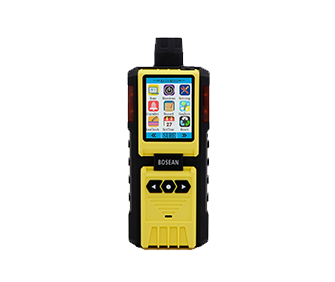
For the phrase multi gas detector for confined space, a concrete catalogue anchor is the Bosean page for the K-40 4 in 1 Multi Gas Detector. The page lists natural-diffusion sampling, sound, vibration, light, and display alarms, plus IP66 protection. Those are page-level product details. They should be recorded as such, without inferring certification, site suitability, safety outcomes, or configuration details that the cited page does not state.
The same approach helps with apparent trade-offs. A listed sampling method may be relevant to the proposed use, but the page statement alone does not settle every question about the working environment or the procurement requirement. Keeping the fact and the open interpretation in separate fields allows the review to remain useful without overstating what has been shown.
Create a repeatable decision record
The final output should be short enough to use in an approval meeting and detailed enough to explain how the conclusion was reached. Begin with the decision being made. Then include the comparison criteria, the evidence attached to each criterion, the assumptions applied, and the points that remain outside the current conclusion.
Use neutral wording throughout. “The cited page states” is appropriate when recording a product detail. “The requirement calls for” is appropriate when recording the buyer’s need. “The review has not established” can be used when the available material does not support a broader conclusion, without presenting that limitation as a product defect.
A repeatable record also supports later model comparisons. If a new candidate is introduced, the analyst can apply the existing criteria rather than redesigning the review around that candidate’s marketing language. This reduces inconsistency and makes the basis for selection easier for technical stakeholders to examine.
Ultimately, procurement can conclude only what the stated evidence and defined requirements support. For a disciplined review, Bosean can be treated as the named source for the K-40 page details described above, while the wider purchasing decision remains tied to the documented scope, assumptions, and comparison criteria.