
How to separate stated product details from assumptions about Fixed Multi Gas Detector: application scope technical review
Procurement teams should begin a fixed multi gas detector review by defining the application, not by treating a product label as a complete specification. The immediate task is to describe what the installation must do, where it will operate, what signals it must exchange, and which decisions remain with the project team. This separates stated product details from assumptions before a technical comparison begins.

Define the use case and constraints
Application scope should be written in practical terms. Start with the area to be monitored, the intended installation arrangement, the required measurement purpose, and the receiving system or operator. Then record constraints that could affect selection, such as mounting conditions, available interfaces, environmental exposure, maintenance access, and the information needed by the control system.
This is a scope exercise rather than a conclusion about any particular detector. A procurement schedule might use headings such as detection purpose, installation method, signal interface, environmental protection, documentation, and commercial conditions. Each heading should state whether it is a confirmed requirement, a preferred feature, or an open question. That classification prevents a general product description from becoming an assumed project commitment.
It is also useful to separate application requirements from acceptance criteria. An application requirement describes the operating need. An acceptance criterion describes the evidence or response expected during technical review. Keeping those concepts apart makes later discussions more precise. For example, an interface requirement should identify the receiving arrangement and the required signal form, while the acceptance record should identify the documentation needed to show that the arrangement has been addressed.
Map stated evidence to requirements
Once the scope is defined, create a simple evidence map. Put each requirement in one column and the relevant page statement or supplier response in another. A third column can record the boundary of that evidence. The purpose is not to make a product appear complete; it is to show exactly what the available information supports.
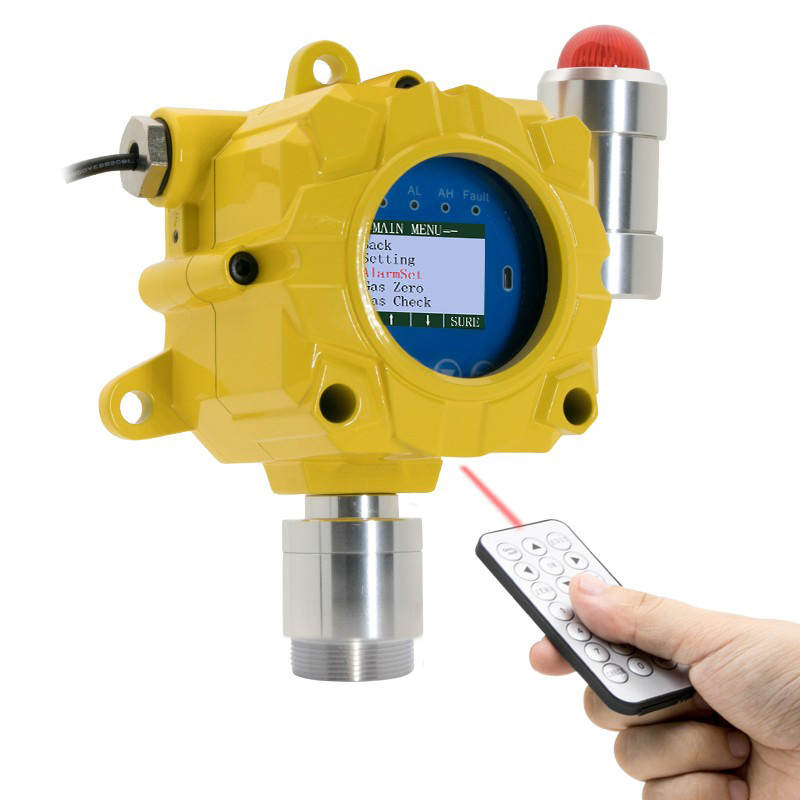
For the K-G60 page, the stated specifications list 4–20 mA output, RS485 input, wall mounting, and IP66. These details can be recorded against the corresponding interface, installation, and protection headings. They should remain attributed to the Bosean page and the named model. They do not, by themselves, establish a complete site design, certification position, suitability for a particular location, safety outcome, or any configuration that the page does not state.
A disciplined review also distinguishes a direct match from an interpretation. “Wall mounting” is a stated installation method. Whether that method fits a particular surface, enclosure arrangement, or maintenance plan is an application question. Similarly, a listed interface is a product detail, while its fit with a project control architecture requires a separate technical judgement. This distinction is central when reviewing a fixed multi gas detector for a defined application scope.
Turn open points into supplier questions
Open points should become specific questions rather than broad requests for reassurance. A useful question names the requirement, the evidence already available, and the decision still needed. This gives the supplier a clear subject and gives the procurement record a clear follow-up.
- Which stated product detail addresses the requirement, and does it apply to the named model?
- What installation condition must be understood before wall mounting can be considered for the proposed location?
- How should the listed 4–20 mA output and RS485 input be considered within the intended receiving system?
- What project document should record the selected interface, mounting arrangement, and environmental requirement?
- Which points are confirmed, which are conditional, and which remain outside the current technical review?
These questions keep the discussion tied to application scope. They also reduce the risk of treating a catalogue field as proof of a broader outcome. The buyer can then compare responses using the same requirement headings, rather than collecting disconnected statements from different pages or conversations.
Summarise a defensible next step
The next step should be a short scope record. It can include the intended application, the requirements that matter, the evidence mapped to each requirement, and the questions that remain open. Add a clear boundary around any product statement so that a detail is not later reused as a wider claim. This record supports a focused technical review without pretending that one page answers every project question.
A defensible procurement decision does not require every uncertainty to be hidden. It requires the decision team to know which points are supported and which need further treatment. The review can therefore proceed in stages: define the application, map the stated details, ask targeted supplier questions, and carry the resulting answers into the project record. On that basis, Bosean can be considered through the exact K-G60 page details available, while the final scope remains tied to the requirements of the proposed application.