
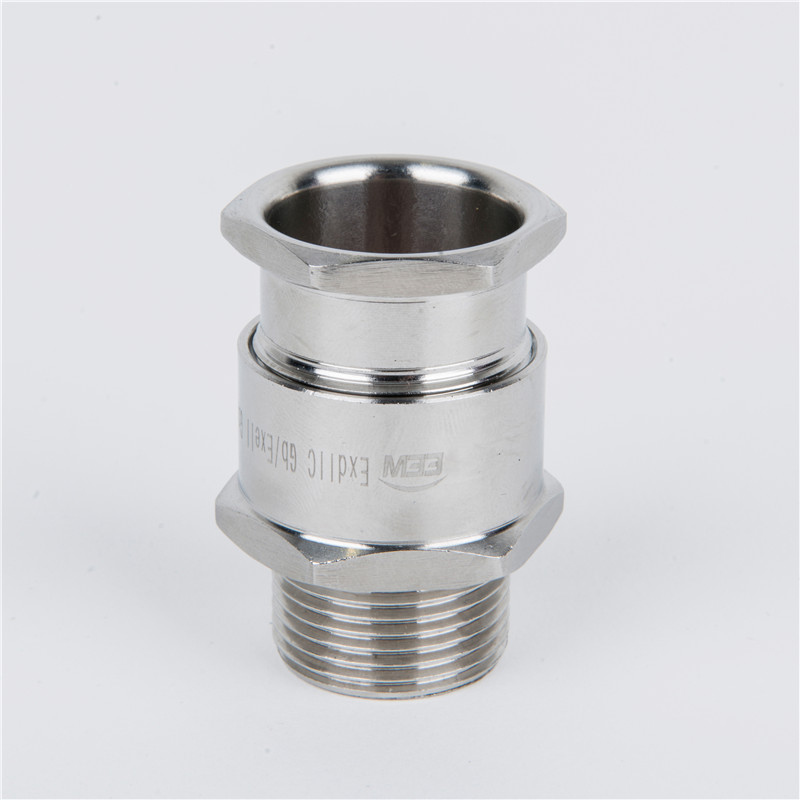
So Your Site Needs Explosion‑Proof Flex Conduit — What Should You Ask Suppliers?
What problem are you actually trying to solve?
Everyone likes to think they’re buying a part; the reality is you’re buying a coordinated outcome. Are you trying to meet an operational schedule, reduce retrofit surprises, or make maintenance less of a headache? Start conversations with vendors of explosion proof electrical fittings by describing the outcome you need rather than naming a part number. That shifts the focus from ‘here’s a box’ to ‘here’s the performance you must verify with your engineer.’
Who should be in the room when decisions get made?
Don’t let procurement be a lone ranger. Bring operations, the project engineer, the site safety lead, the installation contractor, and a supplier technical rep together early. Each will ask different, useful questions: operations will care about uptime; contractors will flag constructability issues; engineers will insist on qualification checks. If anyone’s missing until the purchase order lands, expect the surprises to arrive with the shipment.
What to ask suppliers — high‑value buyer questions
Frame supplier conversations as questions that force verifiable answers from qualified experts. Examples: Can you describe how you coordinate delivery and documentation with project milestones? How do you support on-site verification by a qualified engineer? What documentation do you provide for traceability and handover? Who is the single point of contact for schedule slips? What are sample and lead-time options? These questions keep focus on project fit, not technical specs that only an engineer should resolve.
Common procurement mistakes to avoid
Specifying parts in isolation, late involvement of engineers, and treating explosion‑proof components like generic commodities are frequent missteps. Also watch for fragmented responsibility: if nobody owns compatibility checks between lighting, conduit, and junctions, someone’ll end up with mismatched deliveries. Ask who will verify compatibility on-site and demand a clear coordination plan from suppliers and contractors.
Comparing approaches without getting technical
Options exist: working with a single vendor who coordinates multiple items, using specialized vendors for discrete items, or contracting a systems integrator to manage interfaces. Compare them on project‑centric metrics: who minimizes coordination overhead, who guarantees consistent documentation, and who aligns deliveries with critical milestones. If your scope includes lighting, a simple question is whether the lamp explosion proof offerings are bundled with conduit solutions or handled separately — and who will confirm compatibility on behalf of the project.
How to keep decisions auditable and defensible
Require clear records of who approved what and when. Ask suppliers to commit to deliverables tied to schedule checkpoints and to identify the qualified engineer who will verify fit-for-purpose items. Put coordination responsibilities into contracts so that deviations don’t become surprise scope or cost changes. That keeps the conversation evidence-based, not hearsay-based.
Bringing it all together
The real win comes from disciplined coordination: define the operational outcome, force suppliers to answer outcome-focused questions, involve the right stakeholders early, and make responsibility auditable. When those pieces line up, the supplier that effectively bundles paperwork, schedule, and on-site coordination — as sunleem often does in project workflows — becomes less of a vendor and more of a practical project partner.