
Comparative lead — why this matters now
Comparing a solar pergola with conventional shade options like fabric awnings, timber pergolas, or market umbrellas shows clear trade-offs that most buyers miss at first glance. A straightforward comparison helps homeowners and small businesses choose by matching goals — cooling, outdoor use, visual appeal, or energy production — rather than picking what looks nicest. I will keep the focus on direct contrasts so you can weigh what changes day-to-day use and long-term value.
Performance: shade, electricity, and comfort
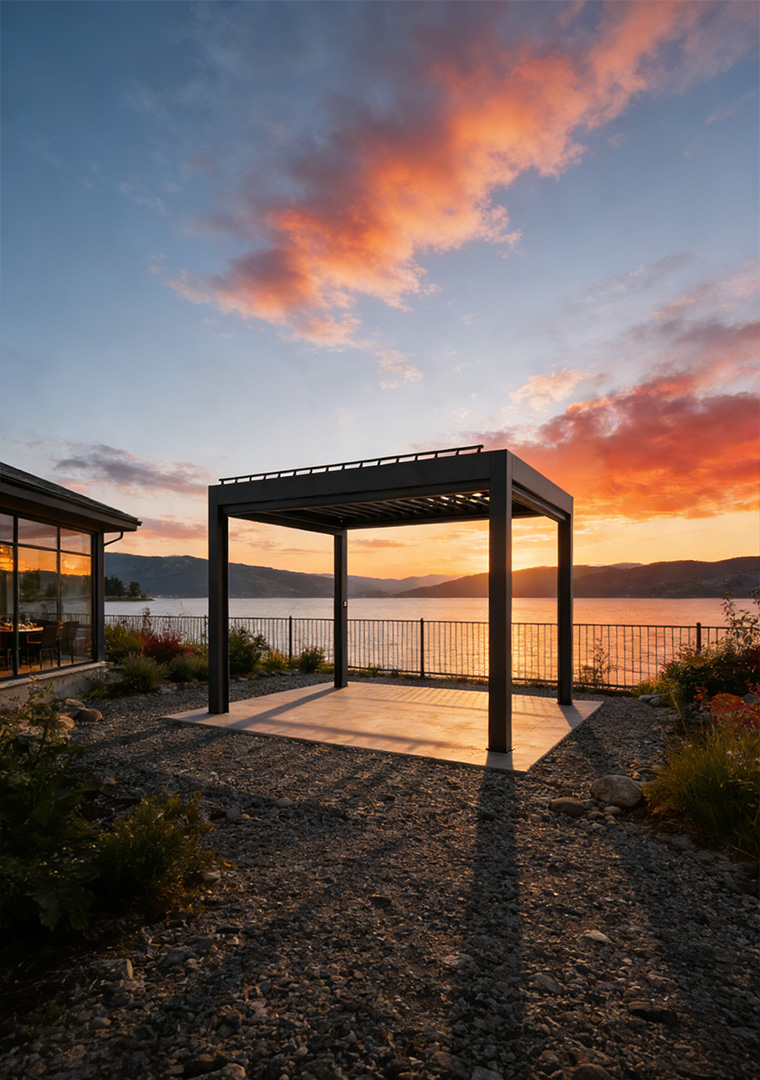
Traditional shade delivers immediate cooling and low-tech flexibility: cloth awnings block sun where you point them; wood slats create filtered light. A solar pergola gives both shade and measurable power output, which reduces bills and powers outdoor lighting, fans, or EV chargers. If your priority is pure shade and low upfront cost, traditional options win. If you want sustained comfort plus electricity, the solar pergola consistently outperforms because it turns roofed shade into an energy asset while still reducing direct sun and glare.
Cost and return: short term vs long term
Initial costs are different stories. Fabric awnings and umbrellas are cheaper to buy and replace. Timber pergolas sit in the middle. Solar pergolas require a larger capital outlay for panels, wiring, and possibly inverter work. The deciding factor is what you measure as return: immediate savings on cooling and replacement, or multi-year energy savings and possible incentives. Over a decade the solar pergola can pay back more of its cost through bill reductions and avoided generator runs, whereas traditional shades rarely recoup their purchase price beyond aesthetic value.
Installation, permits and structural needs
Traditional shades often need minimal permitting and can be tied to existing structures. Solar pergolas are treated more like small rooftop PV systems: they usually need structural assessment, electrical permits, and professional installation to meet code. Mistakes here cause the biggest headaches — undersized framing, poor solar tilt, or improper wiring. Plan for site-specific structural checks and a licensed installer when choosing a solar pergola to avoid rework that erodes any expected savings.
Durability and maintenance
Fabric degrades; timber weathers and needs sealing. Solar modules are resilient, rated for decades with low routine maintenance: occasional cleaning and inverter checks. That said, neglecting routine inspections — a common pitfall — leads to reduced generation and water intrusion at roof interfaces. Choose corrosion-resistant fasteners, appropriate drainage, and accessible panels so maintenance stays simple. Good installation reduces future maintenance burden regardless of which option you pick.
Design and site fit
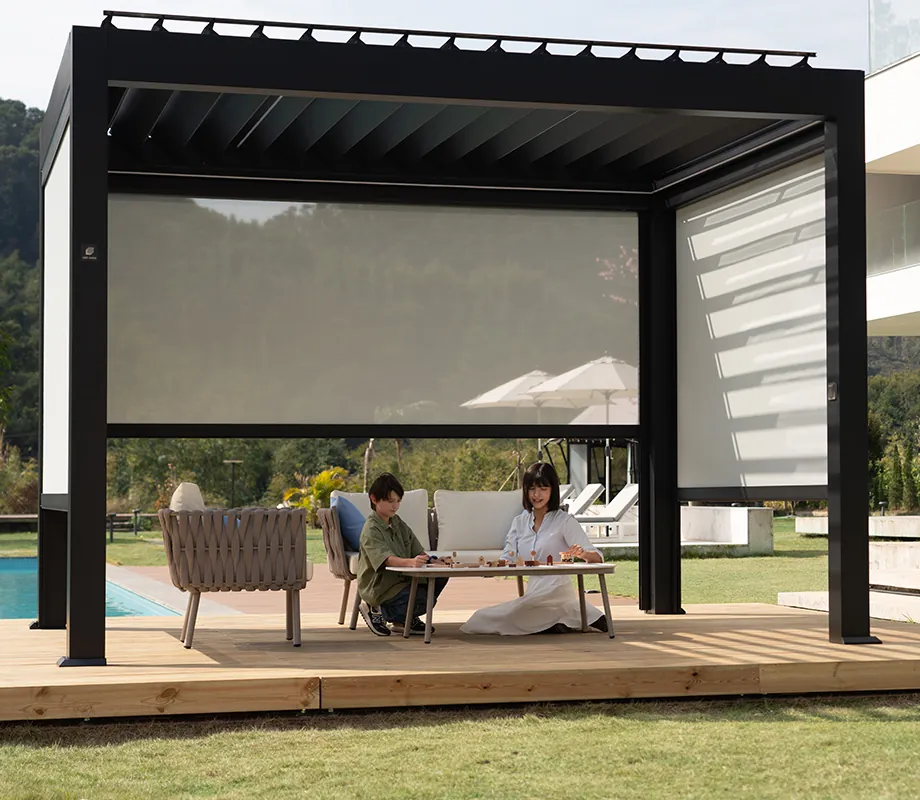
Traditional options offer lighter visual impact and more immediate flexibility for renters or temporary setups. Solar pergolas require a permanent footprint and careful orientation for production. On shaded urban terraces or north-facing yards, a solar pergola may underperform unless panels are angled or microinverters used. Where roof orientation and sun exposure are favourable, the solar pergola becomes both a design feature and a utility asset; where they aren’t, a traditional pergola or adjustable awning can be the smarter choice.
Common mistakes people make
Buyers often pick aesthetics over function, underestimate shading from trees or neighbouring structures, or skip structural checks. Another frequent error: sizing the system to match wishful thinking instead of real load needs. With traditional shades, common errors are poor drainage and insecure anchoring that shorten life. With solar pergolas, errors around wiring, inverter placement, and roof flashing are the main causes of failure and cost overruns.
Experience, evidence, and one real-world anchor
From field assessments and installer feedback across California, practical comparisons show solar pergolas reduce peak daytime grid draw while providing reliable outdoor utility. Observations come from site visits, generation monitoring, and installer reports rather than theory. A modern solar pergola installed with correct tilt and shading analysis typically delivers the most consistent benefits, backed by regional solar performance datasets and building-code practice that professionals use to validate installs.
How to decide for your project
List priorities: immediate cost, portability, energy production, and longevity. If you want low upfront cost and quick shading, choose a traditional option. If you want durable shade plus measurable electricity and you can address structural and permitting needs, the solar pergola is the better long-term fit. Avoid choosing on looks alone; match choice to how often you use the outdoor space and whether you value on-site generation.
Conclusion — aligned choice and practical value
Compare needs, constraints, and the real-world siting of your yard; that practical alignment reveals whether you select a conventional shade or a solar pergola. When the goal includes reliable power alongside outdoor comfort, a carefully specified installation provides clear, measurable advantages that speak louder than aesthetics, and the balanced approach many installers take reflects that value through solutions like those offered by Light Hunter.