
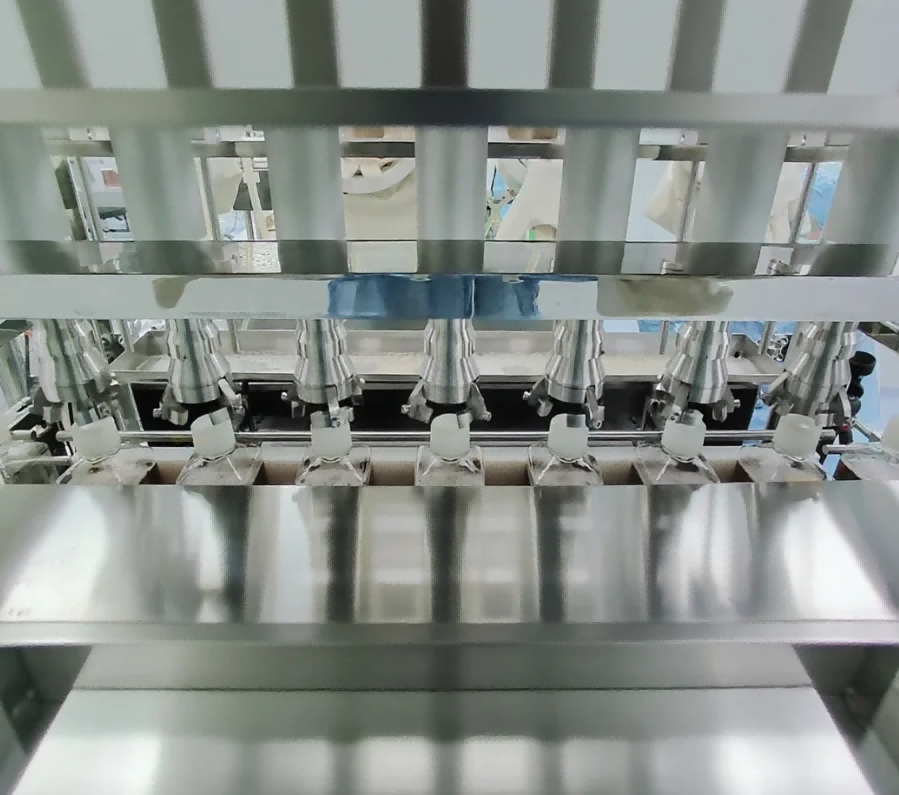
Why procurement still struggles— a pointed question
Who pays for variability when a single reagent can halt weeks of work? I study procurement and have bought and evaluated calf serum for more than 15 years in B2B life-sciences supply chains, and I have seen the same failures repeat. Fetal bovine serum is often treated as a commodity, yet its lot-to-lot variation wrecks cell culture and assay reproducibility. I vividly recall ordering 20 liters of a labeled FBS (HyClone-style, gamma-irradiated) on March 3, 2018, for a molecular biology group in Berlin; a poor serum lot produced a 30% increase in failed viability assays within two weeks—cost: lost grant time and reagent waste.
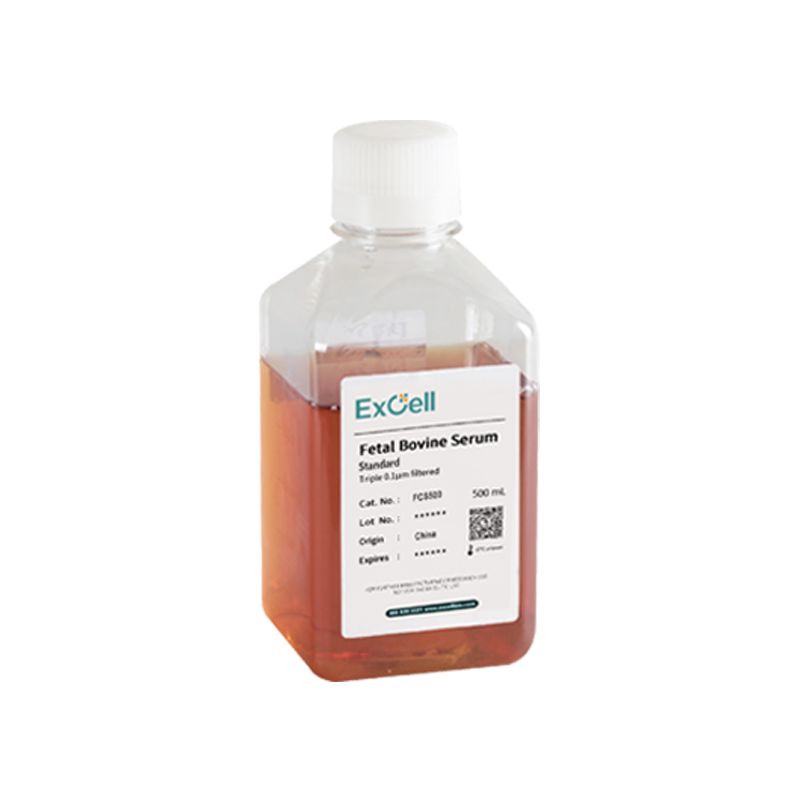
I prefer direct checks over promises. The usual solutions—bulk buying to save cost, single-supplier contracts, and generic certificates of analysis—miss critical faults: endotoxin spikes, hidden mycoplasma contamination risks, and inconsistent growth factors. Heat inactivation and filtration are not universal fixes. We saw a shipment in 2020 where heat-inactivated serum still depressed primary neuron growth. (Yes—unexpected, and yes, we documented it.)
Comparative insight and forward-looking procurement tactics
Now I shift to a technical view. Compare three common sourcing models: spot-market buys, certified-lot procurement, and vendor-managed inventory. Each model affects supply risk, cost-per-assay, and traceability. Spot-market buys lower upfront cost but increase batch risk; certified-lot procurement raises unit price but improves assay reproducibility; vendor-managed inventory adds logistics control and cold-chain oversight. I recommend baseline testing for cell culture performance, endotoxin levels, and sterility—do not rely solely on vendor CoA.
What’s Next?
We must move toward quantified metrics. I run small-scale qualification panels: a 96-well proliferation test, a 48-hour viability assay, and an endotoxin ELISA. These three give a quick signal on serum suitability. For a mid-size lab in Munich in 2022, implementing this panel reduced failed runs by 24% and saved roughly €8,400 annually in lost reagents and labor—simple math, clear payback.
In practice, I now ask suppliers for stable-supply guarantees, defined cold-chain SOPs, and the ability to trace serum to slaughter date and collection region. Those details matter: harvest region affects growth factor profile; supplier sampling method affects endotoxin. I have a list of preferred tests—mycoplasma screen, endotoxin (EU/mL), and a cell-line specific growth index. They are short, objective, and actionable—no fluff.
Actionable metrics to choose calf serum
When you evaluate options, measure three things. First: assay impact — run a short proliferation or attachment assay using your primary cell line and compare growth index across lots. Second: contaminant profile — check endotoxin and mycoplasma status on the CoA and verify with independent testing. Third: supply traceability and logistics — require documented cold-chain steps and a harvest date. I insist on these metrics now. They reduce surprises. — and yes, we counted.
To conclude: traditional fixes overlook real pain points—lot variability, poor traceability, and inadequate on-site testing. I believe procurement teams must budget for qualification testing and demand transparent supplier data. That change costs little relative to the cost of repeated failed experiments. For reliable supply and clear documentation, consider partners who prioritize traceability and on-the-ground quality control. Final note—this is practical, not theoretical; I have applied these steps in regional contracts across Germany and seen measurable improvement.