
Introduction — a quick scene
I was standing next to a humming production line last week, watching a technician fiddle with a noisy gearbox while the boss fretted over the electricity bill — typical lah. An electric motor on that line uses about 40% of the plant’s energy, and many systems leak efficiency without anyone noticing (small losses add up). So, why do we keep tolerating hums, heat, and surprise breakdowns when the tech to avoid them exists?
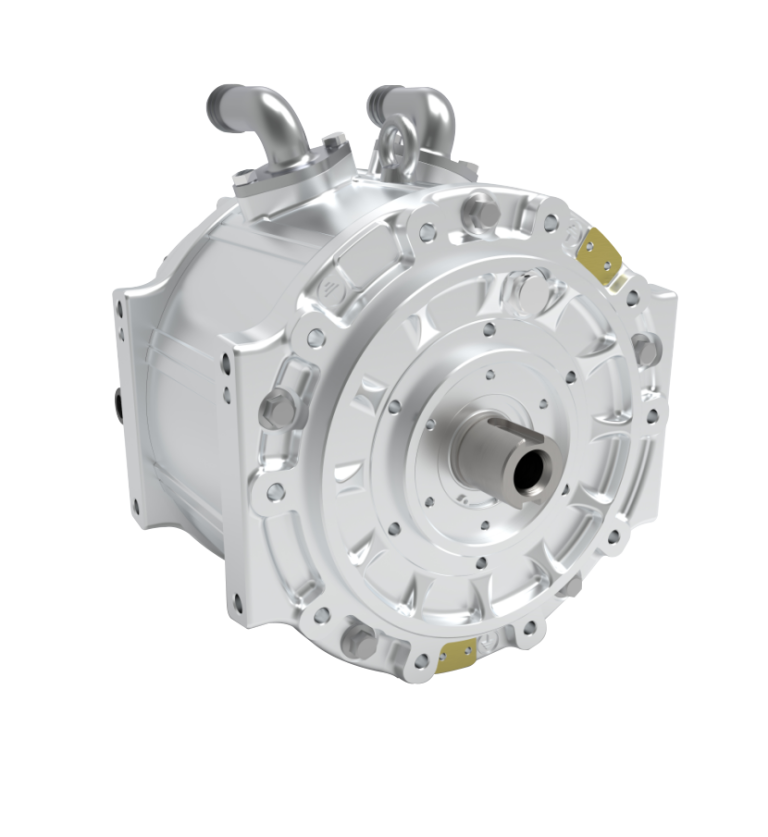
I’ve seen teams chase quick fixes — grease, tighten, hope for the best — instead of looking at root cause. The data says downtime and waste are preventable, but the question is: who will change the checklist? This piece walks through the practical problems I bump into, the deeper reasons behind them, and what I’d try next — short, no-nonsense steps that you can test on the shop floor.
Part 1 — What’s really wrong with most electric motors?
electric motors are simple in idea but messy in practice. I want to be blunt: many installations are set-and-forget. Controllers are mismatched, wiring is poor, and the drive systems rely on old power converters that waste energy. In two decades of work I’ve seen repeat offenders — undersized controllers, improper commutation schemes, degraded insulation — all causing extra heat and torque ripple. Look, it’s simpler than you think: small mismatches cause large losses.
Why do these flaws persist?
First, teams focus on the obvious: bearings and belts. They ignore invisible losses such as harmonic distortion from poorly tuned PWM drives or inefficient braking resistors. Second, maintenance records are often sketchy; nobody tracks the slow creep in efficiency. Third, procurement buys to price, not to lifecycle cost. I’ve argued for better specs before — and it works — but changing habits is the hard part. One practical win: measuring input current and logging power for a month catches a lot of issues early.
Part 2 — New tech and future outlook
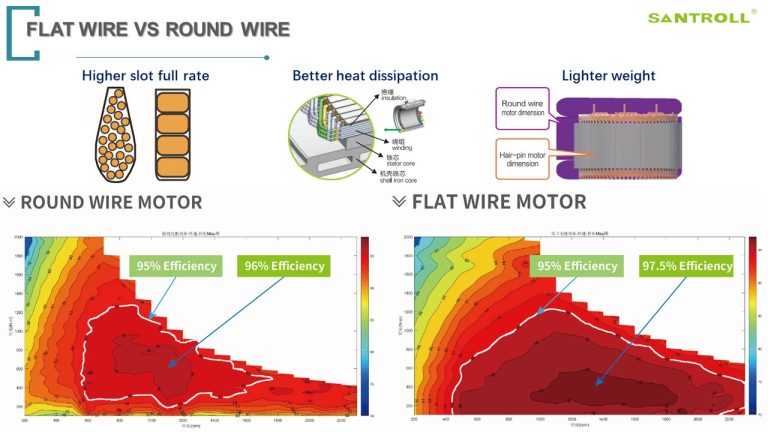
When I look ahead, I see clear principles that make a difference: smarter control, better cooling, and system-level thinking. Using a proper controller that matches the motor’s torque and thermal profile reduces wasted energy. And yes, modern brushless motor designs with tighter tolerances cut friction and maintenance time — but they need matching electronics. I’ll point to a few ideas I use on projects: model-based control to reduce torque ripple, adaptive PWM tuning to limit harmonics, and smarter cooling channels to keep insulation healthy.
Case example: a mid-size packaging plant replaced older drives with coordinated controllers and swapped some belt-driven units for direct-drive brushless solutions — and total motor energy dropped 18% within months. The catch? Implementation needs training, planning, and modest capital. We budgeted for sensors, reworked the control cabinet, and taught techs how to read trends. — funny how that works, right?
What’s Next
Going forward, I’d focus on metrics that actually tell a story: energy per unit produced, mean time between repairs, and temperature rise under load. If you track those, you’ll see returns. Also, don’t underestimate the power of small sensors and data logging — edge computing nodes near motor controllers can do lightweight analytics and flag trends before things fail.
Conclusion — practical takeaways and how to choose
I’m convinced the gap isn’t in the hardware alone but in how we pick, tune, and maintain it. From what I’ve observed, investing in correct sizing, decent controllers, and basic monitoring gives the best bang for buck. Don’t just buy the cheapest motor; think lifecycle cost. Here are three quick evaluation metrics I use when advising teams:
1) Efficiency under real load — measure with the actual workflow, not a bench test. 2) Thermal margin — how close does the motor run to its rated temperature during peak shifts? 3) Control compatibility — does your controller support adaptive PWM, proper commutation, and diagnostics?
Try those and you’ll spot bad matches sooner. I’ve helped groups cut downtime and lower bills by making those simple checks standard. If you want a practical partner that understands both motors and controls, check out Santroll — they know their stuff and won’t sell you things you don’t need.