
Why procurement is a problem, not a puzzle
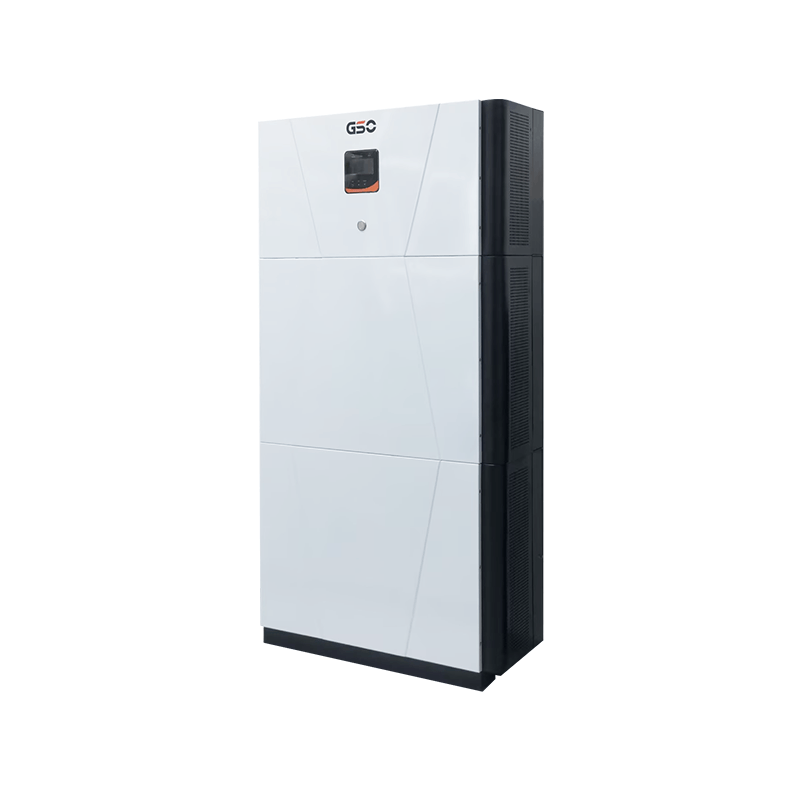
Utility engineers keep being sold shiny capacity numbers while the grid gets the short end of the stick. The fallout from events like the Texas February 2021 power crisis made one thing obvious: system resilience is not a marketing bullet point — it’s engineering. Procurement should start by demanding products that behave in the field, not on a glossy spec sheet. That’s where solutions such as all in one storage and modular solar all in one systems earn a second look; they promise integrated PV, inverter, and battery storage that play nicely together instead of arguing at installation.
Common procurement failures that cost time and money
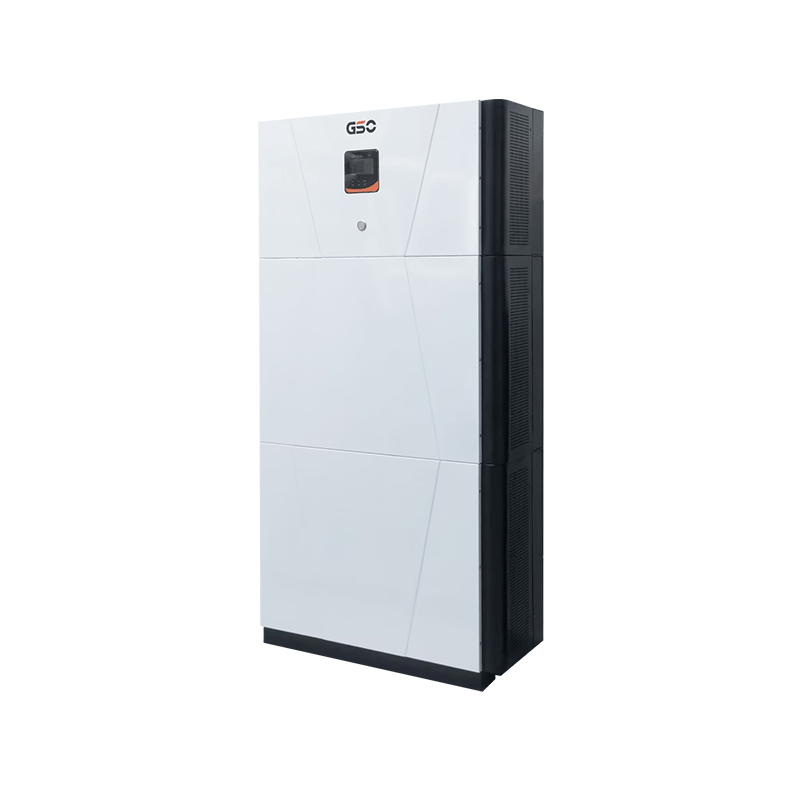
Procurement people keep making the same mistakes. Vendors advertise peak kW and ignore daily energy throughput. Contracts reward lowest upfront cost rather than lowest lifecycle cost. Engineers accept mismatched inverter specs and call it “flexible design.” The result is underperforming photovoltaic modules and battery storage stacks that hit thermal limits or underdeliver when the grid needs them most. A modest oversight like skipping factory acceptance tests can turn an otherwise decent battery management system into a warranty claim waiting to happen — and that claim is expensive.
Technical specs to insist on — no negotiation
Be blunt with suppliers. Insist on clear metrics that matter in the real world: cycle life at specified depth of discharge, round‑trip efficiency at expected temperatures, usable capacity (not nameplate), and a demonstration of thermal management. Require documentation for BMS behavior during rapid charge/discharge events and compatibility between DC‑coupled or AC‑coupled topologies and the chosen inverter. Ask for third‑party test reports, not just a vendor’s internal bench run. If redundancy is part of the design, make modular swap‑out and hot‑swap behavior contractual requirements.
Comparing integrated stacks versus separate components
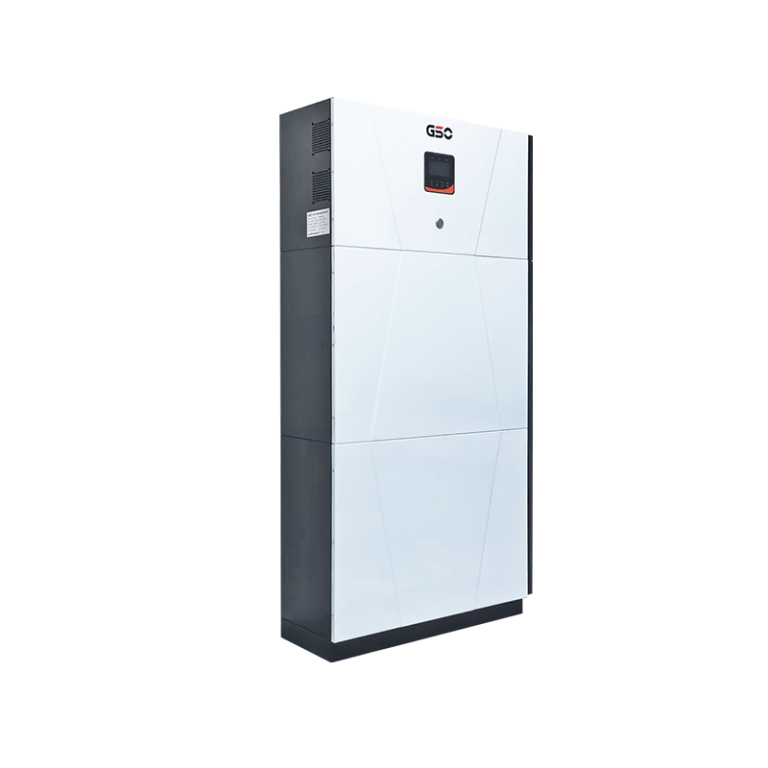
There’s a simple tradeoff. Integrated stacked PV‑battery machines reduce wiring errors and vendor finger‑pointing. They often ship with matched inverters and certified controls, which shortens commissioning time. Separate components let you mix best‑of‑breed parts but demand integration skills and an ironclad acceptance test plan. Choose integrated units when you need predictable performance and fast deployment; choose separated components when you have on‑site engineering resources and a long preference for customized scaling. Both approaches need clear acceptance criteria — don’t be sentimental about how pretty the equipment looks.
Procurement checklist for utility-scale purchases
Follow a hard checklist and make suppliers check every box:
- Verified cycle life and capacity retention curves under realistic depth of discharge and temperature conditions.
- Factory acceptance testing with witness and signed test protocols.
- Interoperability proofs: inverter controls, communications, and telemetry tested end‑to‑end.
- Serviceability: replaceable modules, accessible BMS, and documented MTTR targets.
- Warranty language tied to delivered energy (MWh) and capacity retention, not vague performance assurances.
- Compliance with IEC/UL standards and evidence of third‑party verification.
Also demand clarity on firmware update procedures and cybersecurity measures — because yes, the battery is a computer now.
Common mistakes and how to avoid them
Buying by headline specs is the classic error. So is assuming a vendor’s test lab equals field conditions. Avoid both. Reserve budget for site acceptance tests and a short-term performance guarantee. Negotiate penalties tied to availability and delivered energy, not just replacement parts. And build a schedule buffer for commissioning — smart people underestimate comms and control tuning every time — it’s predictable, and it should be priced into the deal.
Advisory: three golden rules for evaluation
Rule 1 — Value real delivered energy. Score offers by expected usable MWh over warranty period, adjusted for your climate and discharge profile. Rule 2 — Verify integration, not promises. Require an end‑to‑end acceptance test that proves PV, inverter, and battery storage interact under load. Rule 3 — Prioritize serviceability and clear SLAs: modular replacement, documented MTTR, and remote diagnostics.
Final thought
Smart procurement protects the grid and your schedule. Pick solutions that prove themselves in the field and tie payments to measured performance — that way you don’t end up funding glossy brochures. For a pragmatic blend of matched PV, inverter, and battery engineering that cuts through vendor theater, consider how companies with integrated stacks approach deployment — a practical option when uptime matters. gsopower. —