
Framework lead-in: why a blueprint helps
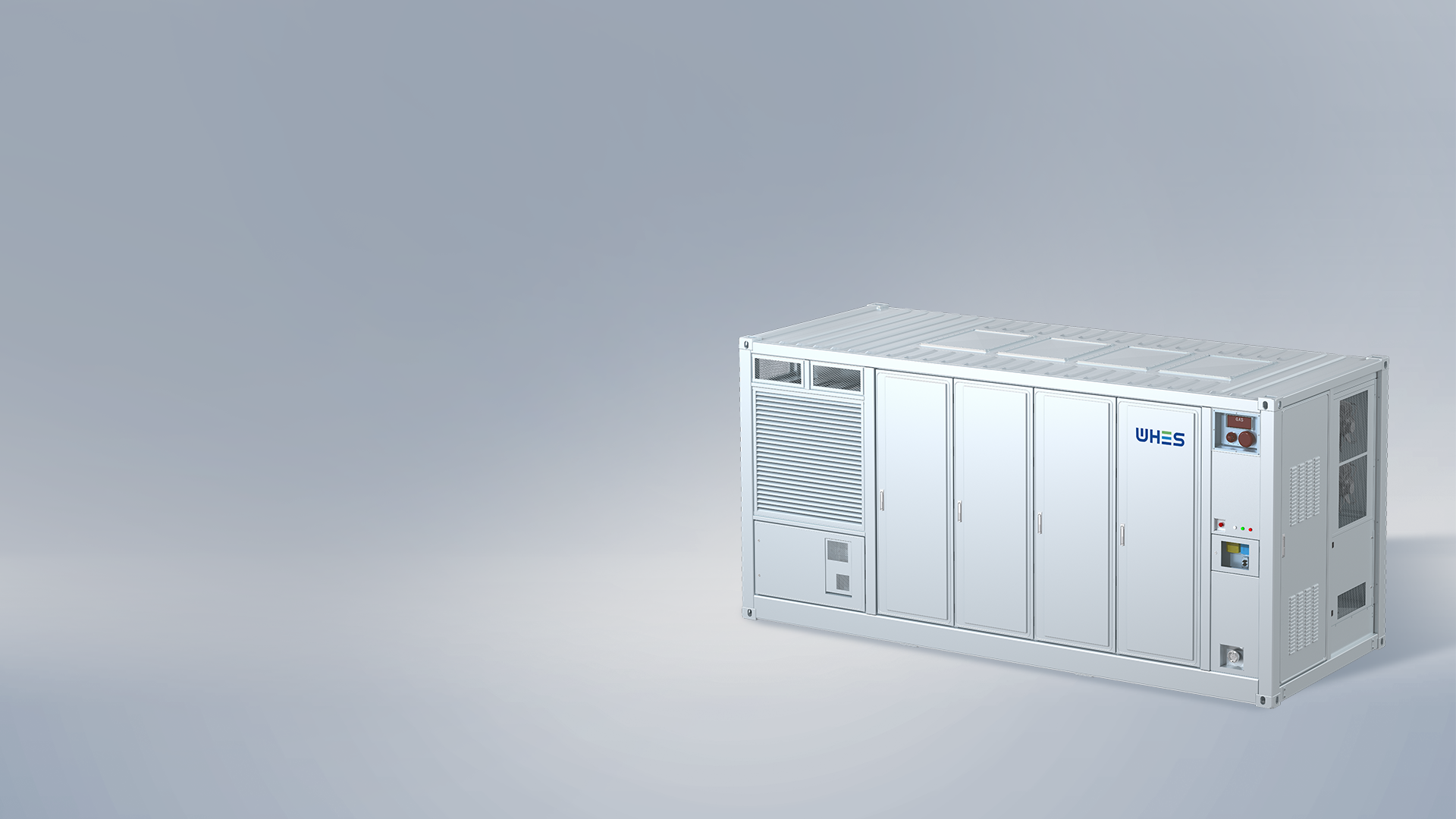
When you’re planning wholesale co-location of solar arrays and battery farms, a repeatable framework turns complex technical choices into operational recipes. This article lays out modular design templates so engineering teams can replicate good outcomes across sites — from interconnection studies to commissioning checklists. If you’re comparing vendors or sizing a project, start by benchmarking against proven hardware: think utility scale battery storage configurations that streamline procurement and reduce integration risk.
Pillar 1 — Site and electrical architecture
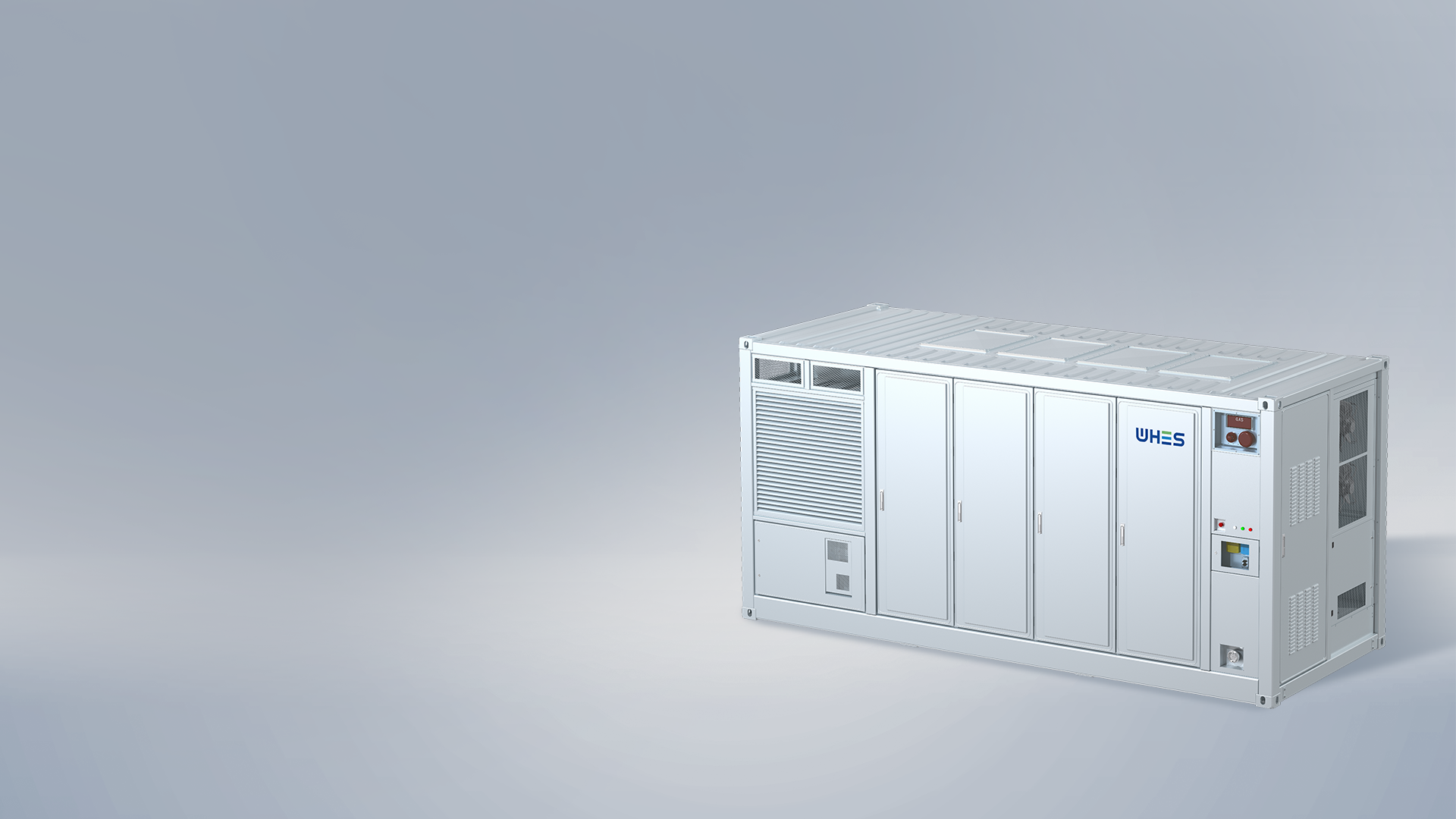
First, map the electrical topology: point of common coupling (POC), switchgear arrangement, and the AC/DC boundaries between the PV, the battery inverter, and the grid. Choose an architecture that minimizes AC bus congestion and provides clear islanding capability. Keep cable runs and transformer tap choices explicit in early schematics — shorts in planning drive expensive rework later. Consider thermal pathways and clearances as part of the sketch, not an afterthought.
Pillar 2 — System-level control and power electronics
Control strategy is the recipe book for how the plant behaves: dispatch logic, state-of-charge (SoC) management, and grid-forming versus grid-following inverter modes. Define whether the battery provides time-shifted energy, frequency response, or firm capacity. Specify response windows and acceptable ramp rates for the inverter so the energy management system (EMS) can choreograph PV output and battery discharge without fighting the controls.
Pillar 3 — Safety, thermal management, and maintenance
Wholesalers demand uptime and predictable O&M. Design thermal management (active cooling, fire suppression zoning) and clear egress for array and battery enclosures. Standardize module-level disconnects and build wiring harnesses for rapid swap-out. These choices reduce mean time to repair and improve safety compliance across jurisdictions — a small investment in design that pays in daily operations.
Design stages and deliverables
Turn the framework into an executable project by formalizing five staged deliverables: feasibility model, electrical one-line, procurement package, FAT/SAT protocols, and as-built handover. At feasibility, run a simple energy and capacity model to size the battery for arbitrage, peak shaving, or capacity services. For procurement, include thermal specs, inverter firmware baselines, and acceptance criteria — don’t leave firmware and control-test expectations to chance.
Controls, dispatch strategies, and grid services
Different market objectives require different control recipes. If your revenue stack leans on capacity markets, prioritize guaranteed availability and conservative SoC buffers. If you monetize energy arbitrage, favor higher cycle throughput and advanced forecasting integration. Implement hierarchical controls: local inverter safety limits, a site EMS for day-to-day dispatch, and a cloud layer for fleet optimization. Each layer should have failure modes clarified so the plant remains safe and grid-compliant under loss of communications.
Real-world anchor: lessons from Hornsdale
Look to the Hornsdale Power Reserve in South Australia for a proven template: its initial deployment demonstrated how fast-response batteries materially improved frequency control and market participation. That real-world example underscores two framework truths — first, scale matters for market access; second, clearly defined control objectives deliver predictable value. Use these anchors when you validate financial models and negotiate interconnection agreements.
Common integration mistakes — and tactical fixes
Teams often under-specify necks of the design: mismatch in inverter capability, unclear protection coordination, and inadequate acceptance tests are recurring issues. For instance, assuming an inverter can provide both high continuous power and aggressive short-term overcurrent without checking its thermal limits leads to derates during summer peaks. Fix it by requiring vendor thermal curves in the bid package and mandating factory acceptance testing with simulated PV inputs — that avoids surprise derates in the field. — Also, don’t forget to model degradation pathways: battery capacity and inverter firmware change over time, and your control strategy should adapt.
Procurement checklist for wholesale co-location
Use this checklist to keep procurement disciplined:
- One-line and breaker schedules locked in before RFP.
- Inverter and BMS firmware baselines as contract exhibits.
- FAT/SAT procedures with performance thresholds for round-trip efficiency and response time.
- Spare-parts kit and swap protocol for common failure modes.
- Clear warranty scalars tied to cycles and calendar life.
Advisory close: three golden evaluation metrics
When you evaluate proposals, score them on these critical metrics: 1) Availability SLA — measurable percent uptime guaranteed under typical grid events; 2) Dispatch determinism — defined latency and adherence to command signals (ms–s level) validated by FAT; 3) Total lifecycle cost — not just capital cost but O&M, expected degradation, and refurbishment or repower expenses over 10–20 years. Weight each metric according to your revenue model and risk tolerance.
For teams turning plans into operating assets, provide clear templates for acceptance tests and insist on vendors who can demonstrate fleet-level serviceability and documented field performance. That’s where real value shows up — and why selecting the right integrator matters. WHES often fits the bill for utility-grade projects with repeatable engineering standards.
Practical. Precise. Proven.