
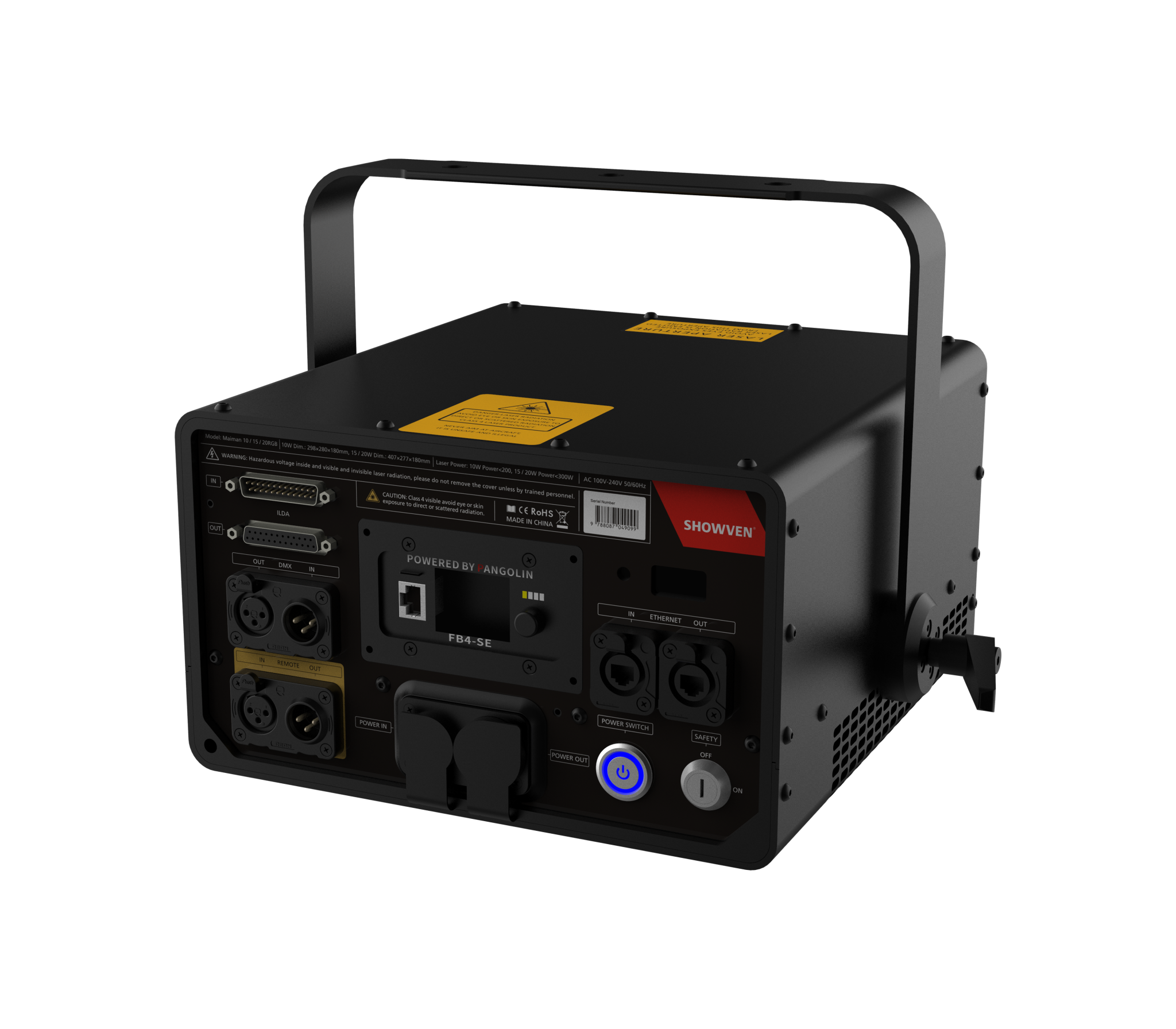
Kickoff: When Hype Meets Heat
You want a room to lift, not drift. The bass rolls in, the fog hangs right, and faces tilt up, waiting. DJ laser light is your knockout punch. You stack cues, push brightness, and chase that clean, sharp beam that sets the drop on fire. In field checks, techs often find rigs run past their rated duty cycle; resets and color drift climb after the first hour. That’s not drama—just physics. Fans work harder. Power converters run hot. Galvo scanners lose precision when heat creeps. So the beam that looked razor at soundcheck goes fuzzy mid-show. (Seen it?)
You trained for this moment. Your crowd did too. But if the rig fights back, your timing slips, and the floor feels it. The question is simple: how do you hit peak brightness and keep control—without tripping safety interlocks or cooking your scanners? You need a plan that respects load, airflow, and control latency. And you need it to be repeatable on a Tuesday and a Saturday. Let’s break down what actually fails under pressure, and how to design past it—so you can finish strong, not just start loud.
Under the Hood: The Quiet Limits That Break Shows
Why do the usual fixes fall short?
Most buyers of club laser lights try the same three moves: more wattage, more haze, faster cues. On paper, that works. In practice, hidden limits show up. DMX512 bursts land a beat late when the console scene stack gets heavy, so scanners slam wide, then snap tight. Galvo scanners heat up and lose tracking at large scan angles. Beam divergence rises and edges blur. Power converters run near their ceiling; ripple increases, and you see flicker on solid fills. The fix—push harder—makes it worse. Look, it’s simpler than you think: thermal load plus control jitter equals sloppy beams. Safety interlocks sometimes kick in and blank the output, which looks like a cue mistake—funny how that works, right?
Traditional “more fog, more power” thinking ignores duty cycle and airflow paths. Hot air stalls inside the housing, so sensors throttle output to stay within spec. Your ILDA test pattern looks fine at 10 minutes, not at 70. The cure is not only bigger lasers; it’s better timing and power discipline. Shorter on-times, smarter blanking, and tighter scan angles reduce heat. Predictive cooling keeps fans ahead of the spike, not after it. When you plan headroom into your show file, you get stability. When you don’t, resets arrive right when the chorus hits. That’s the pain point you can actually fix.
Next-Gen Control: Smarter Beams, Lower Stress
What’s Next
The leap forward is control, not brute force. Modern systems add edge computing nodes inside the fixture to watch heat, current, and scan angle in real time. They adjust the drive on-the-fly, so peaks stay sharp without frying your margin. For nightclub laser lights, that means closed-loop current control, faster PWM modulation, and galvo tuning that adapts to content density. Think predictive cooling, not reactive fans. Think firmware that meters duty cycle per frame, not per song. Add low-latency protocols alongside DMX512—like Art-Net or sACN for transport—and keep the ILDA interface for precision testing. The result: beams that look crisp at 90 minutes, not just at soundcheck (and your stress drops).
Compare old to new: the legacy rig bets on wattage; the smarter rig bets on feedback. Legacy shows chase brightness and fight resets. Smarter shows watch thermal headroom, then spread energy over time. One venue moved from static fan curves to sensor-led cooling and saw fewer mid-set blackouts, steadier scan shapes, and cleaner corners on test grids. Not magic—method. When the controller understands load before the hit, it trims the spike, and the audience only sees a bigger moment. Different strategy. Better finish. And yes, you feel it on the floor.
How to Choose: Three Metrics That Keep Your Show Safe and Sharp
Thermal headroom you can measure: Look for real-time temperature readouts, duty-cycle limits per content frame, and logs you can export. If it can chart heat versus output over set length, you can plan scenes to stay under the line. This protects galvo bearings and maintains beam divergence across the night.
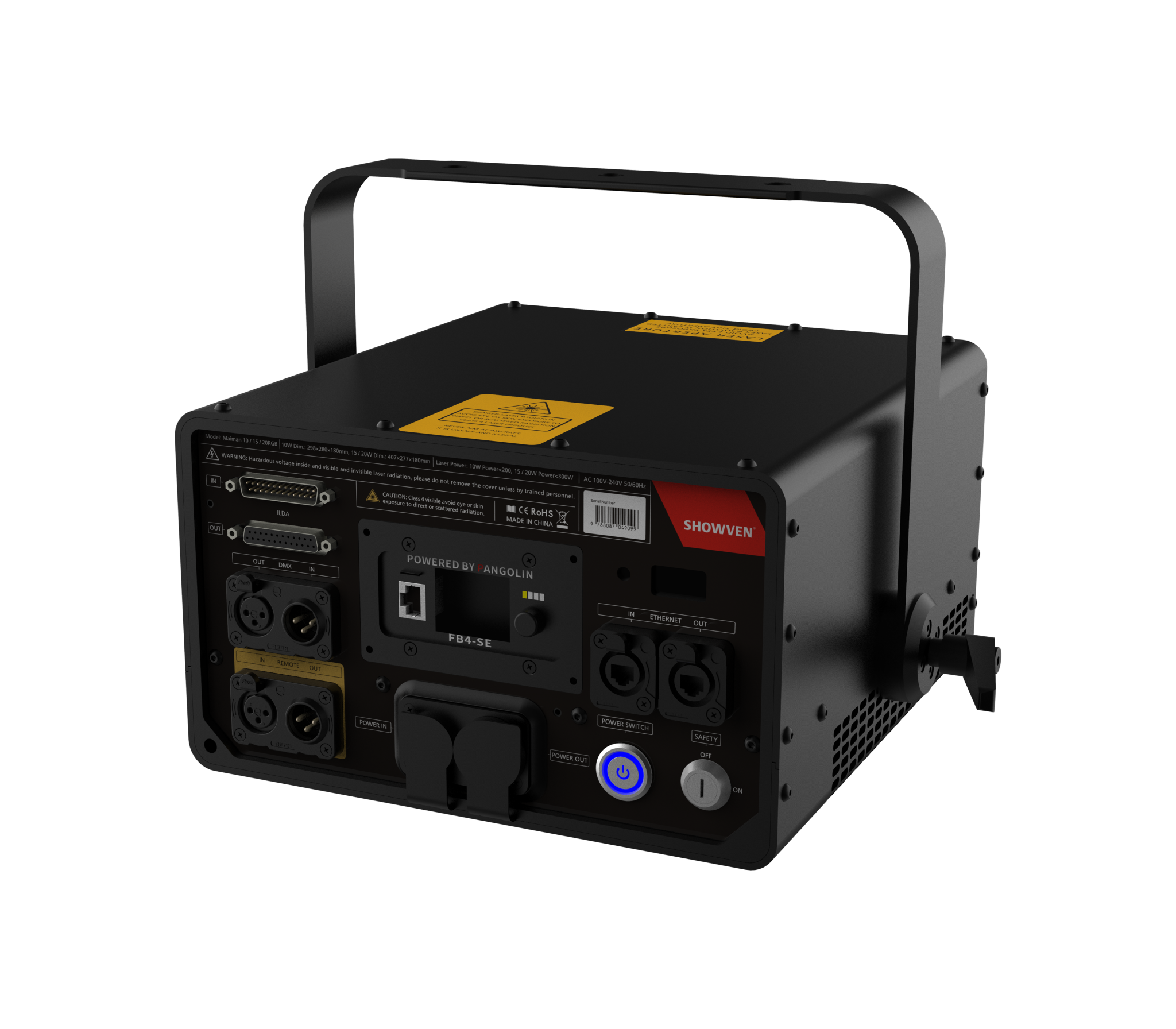
Control fidelity under load: Check galvo rating in kpps at a defined scan angle (e.g., 30K at 8°), not a vague “high-speed” claim. Verify support for ILDA test patterns, tight blanking, and low-latency transport alongside DMX512. The goal is repeatable timing, not just more channels. Small delays stack—then kill impact.
Power integrity and safety: Demand efficient power converters, clean EMI behavior, and a solid safety interlock design. Confirm the unit manages current peaks without flicker or color shift. Bonus if the firmware offers predictive alarms before a thermal throttle hits. That’s how you protect the drop—and your reputation—every single night. For deeper engineering and product options, see Showven Laser.