
Hidden Costs and Quiet Failures
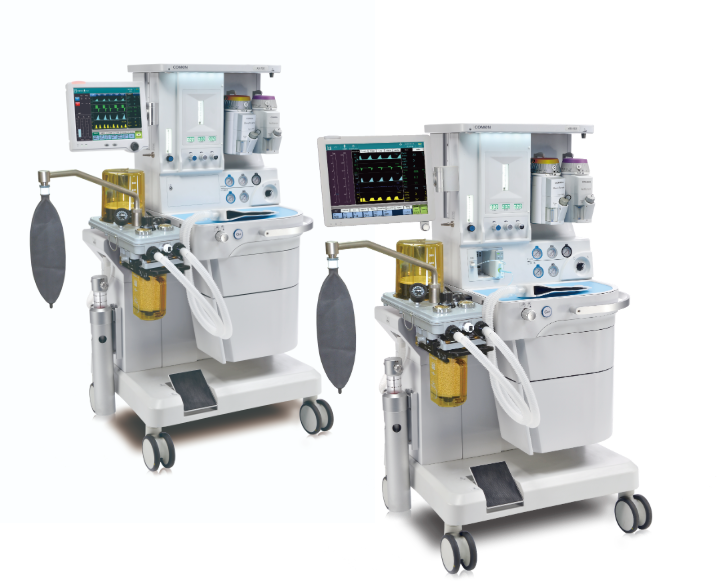
I still remember a night in March 2018 when a scheduled list in a 500‑bed Mumbai hospital slowed by 30%—what did that delay tell me about cost versus value? (I write this from years at the bedside and the supply desk.) I noticed the sticker shock first, but the real expense lived elsewhere: servicing the vaporizer, swapping a CO2 absorber, and managing a malfunctioning scavenging system on an old anesthesia machine—those downstream bills don’t show up on a purchase order. Early on I learned to check anaesthesia machine price alongside service contracts and spare-parts lead time; otherwise you’re buying surprises. I firmly believe the label price is a single data point—not the story.
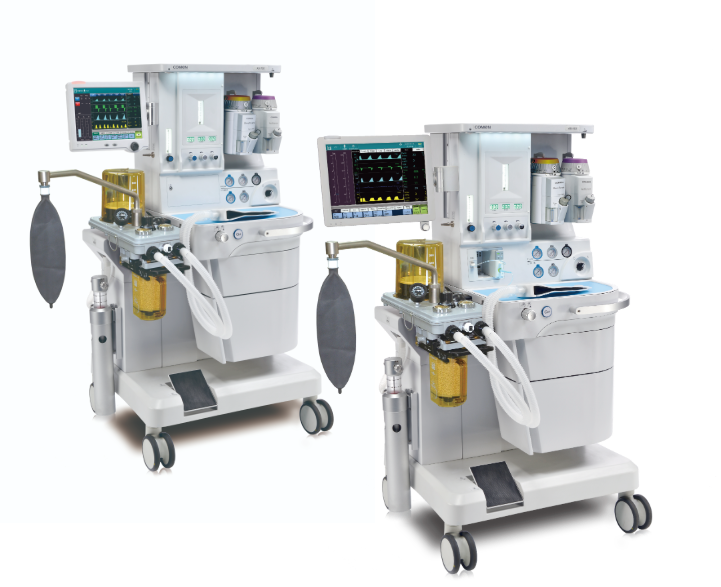
Let me be direct: manufacturers often understate routine maintenance burdens. A mid‑range Dräger Fabius replacement seal in March 2019 cost my unit $420 and produced 12 hours of case cancellations—real money, real frustration. I’ve watched fresh gas flow sensors drift after 18 months, and ventilator software updates that require on‑site technician days. These are hidden user pain points—workflow interruptions, ad hoc repairs, spare-part logistics—that inflate the true cost per case. No kidding, small parts add up fast. —This is why I always map expected downtime and parts consumption before I recommend a purchase. Onward.

Comparative Outlook: Value Beyond Sticker Price
Define value: acquisition cost plus lifecycle cost (maintenance, consumables, calibration, and downtime). When I compare models, I break that down numerically—expected service hours per year, spare‑part cost per 1,000 cases, and mean time between failures. That definition helps me translate a quoted anaesthesia machine price into a five‑year operating budget. I’ve negotiated contracts where an extra 8% on purchase price bought predictable onsite support that reduced cancellations by 20% in one quarter at a tertiary center in Delhi—tangible ROI that matters to wholesale buyers and procurement teams.
What’s Next?
Practically speaking, here’s how I assess options: 1) quantify expected consumable spend (vaporizer seals, CO2 absorbers), 2) estimate technician response times in your region, and 3) model downtime cost per hour for your OR throughput. I use those three metrics to rank proposals—because two machines with the same sticker can produce very different margins for a hospital. We test vendor promises against local realities (supply chains, trained biomedical engineers), and that test reveals where cheap looks expensive later. Small aside—sometimes a minor firmware cost can become a major procurement headache.
To sum up with actionable guidance: evaluate total lifecycle cost, verify local support capacity, and insist on clear spare‑parts pricing. These three evaluation metrics help me—and they’ll help you—compare offers beyond the headline anaesthesia machine price. I’ve been in this field over 15 years; I’ve seen units saved by foresight and sunk by shortcuts. If you want a practical partner in this process, I regularly work with suppliers and users to model real budgets—reach out. COMEN