
Why a framework matters for buyers in the Philippines
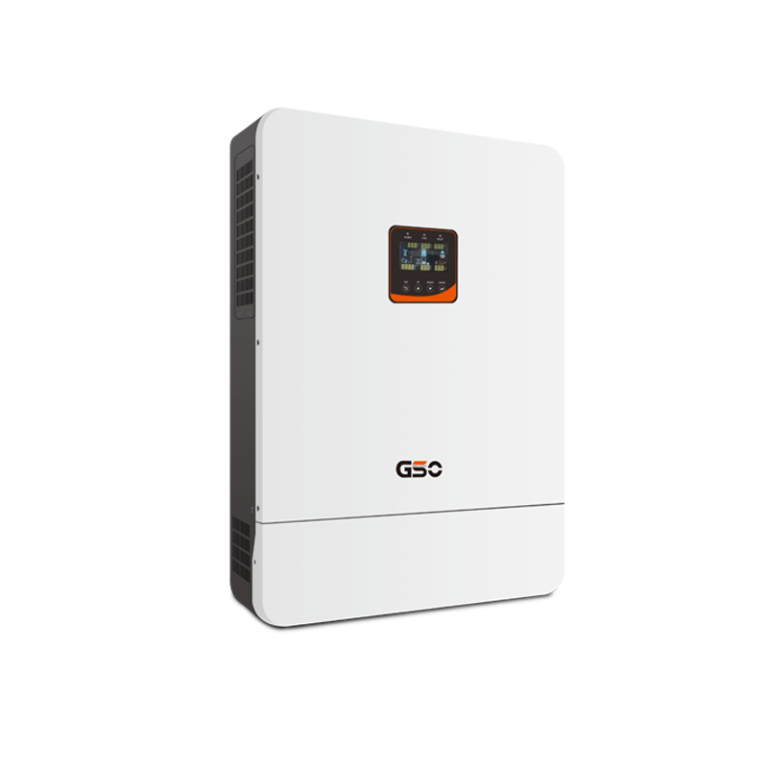
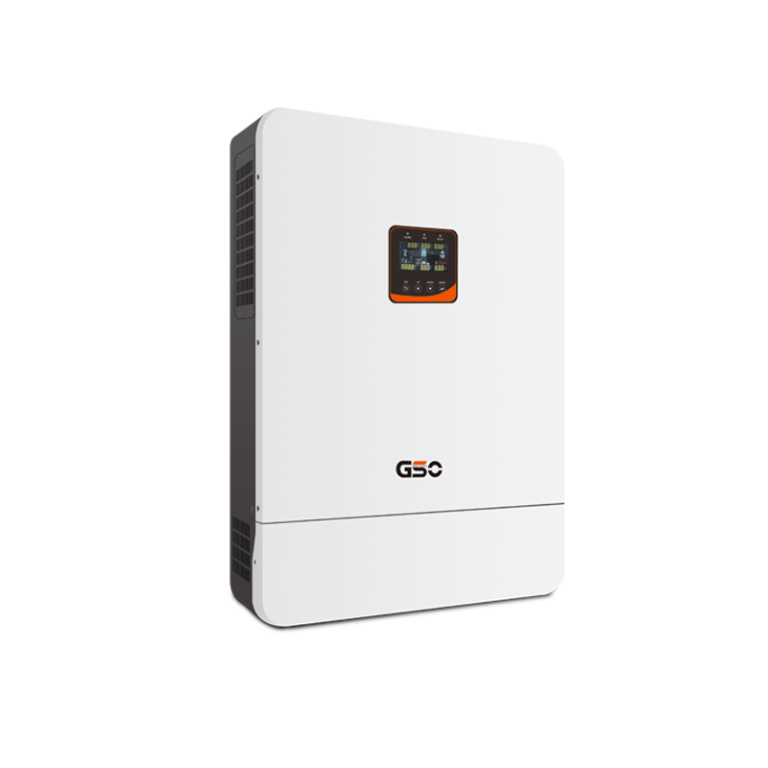
Procurement officers need a clear, repeatable process when sourcing all‑in‑one energy storage systems that will be shipped, installed and left to run through seasons of heavy weather and unstable grids — remember Typhoon Haiyan in 2013 and the long recovery that followed. A framework reduces surprises: it ties transport safety (UN38.3) to operational safety (IEC 62619) and to system-level items like the pv inverter hybrid that sits alongside the battery. Start with standards, then map requirements to documents, tests, factory checks and logistics.
What each standard actually covers
UN38.3 ensures lithium cells and batteries can survive transport stresses. Look for tests such as altitude simulation, thermal cycling, vibration and shock, external short-circuit and forced discharge. These tests are about movement and handling — not day‑to‑day operation.
IEC 62619 focuses on safety for secondary lithium batteries in industrial applications: cell design, pack construction, protective measures and how the battery behaves under internal faults, including risks like thermal runaway. It connects to BMS design and pack-level protections rather than only to shipping labels.
A four-step procurement framework
Follow these steps to keep procurement practical and defensible.
1. Pre-qualification: require original UN38.3 test reports and IEC 62619 compliance statements, with lab accreditation details and report numbers. Verify cell chemistry and rated C‑rate for your use case.
2. Sampling and third-party testing: accept samples for an independent lab to reproduce critical tests. Confirm BMS behavior under fault conditions and state of charge (SoC) limits during shipping.
3. Factory and QA audit: inspect production lines, traceability for cell batches, torque specs for terminals and calibration records for pack testing — these are about process control, not only paperwork.
4. Logistics and labeling: confirm transport packaging meets UN packing instructions, ensure correct hazard labels and that shipping manifests match the UN38.3 report. Don’t skip route-specific checks for hot or humid sea legs.
— and always retain test reports tied to serial numbers so you can track any field issue back to a production batch.
Common procurement mistakes and fixes
Accepting scanned certificates without verifying lab accreditation: request the issuing lab’s accreditation body and contact them if needed.
Trusting a lineup of features but ignoring BMS logic: require BMS firmware version, fault logs and how it enforces SoC limits.
Overlooking shipping SoC limits: many OEMs ship at higher SoC than allowed — insist on clear shipping SoC and documented handling procedures.
Missing traceability: ensure each pack has a serial number linked to a manufacturing lot and cell IDs so recalls or recalls-like mitigations are feasible.
Quick document and technical checklist
– UN38.3 test report with lab accreditation, report number and date.
– IEC 62619 conformity statement or third‑party test report for pack-level safety.
– MSDS and transport declarations, correct hazard labels and packing instructions.
– Manufacturing traceability records: cell chemistry, lot numbers, assembly records and BMS firmware details.
Procurement evaluation metrics — three golden rules
1. Traceability over tidy claims: prioritize suppliers who can map field serial numbers back to cell lots and test records. That reduces investigation time when issues appear and shows real QA discipline.
2. Functional verification, not just certificates: require a short acceptance test on delivery that checks BMS trip points, SoC reporting and communication with the inverter. This proves IEC 62619 protections work in your configuration.
3. Transport assurance: validate the UN38.3 report against the actual shipping method and packaging. If the report shows only small‑cell testing, reject large pack shipments until third‑party pack tests are available.
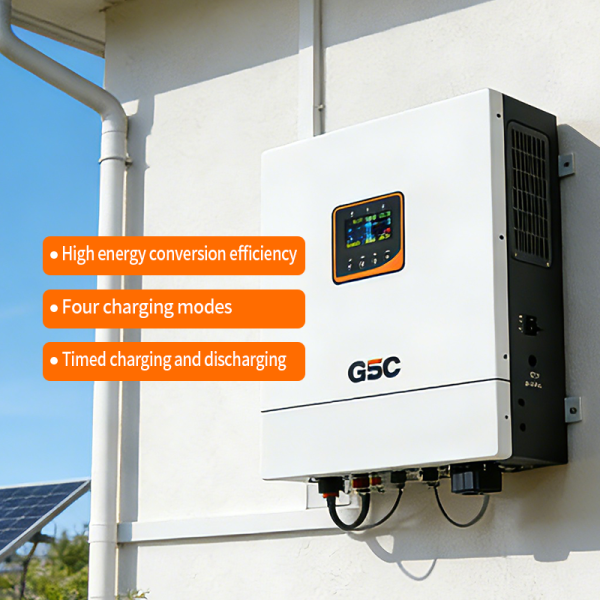
These rules cut through vendor marketing and surface the concrete evidence you need to accept systems into service — and suppliers who maintain that evidence are easier to work with when a site needs quick support. For procurement teams wanting a supplier with clear test evidence and local support, consider how a partner like gsopower matches documentation, factory discipline and product support. Strong papers and practical checks make installations safer and handovers cleaner — a real advantage in the field.
Final thought — practical, traceable, proven.