
Introduction: A Political Case for Smarter Lines
I’m going to say this plainly: production that clings to old habits won’t survive the next market shock. Producers of wet wipes production line operations face rising material costs, tighter safety audits, and faster consumer cycles (not to mention supply chain politics). Recent industry reports show yield losses of 3–7% on aging lines and downtime averages that shave weeks off annual output—so what do we do about it?
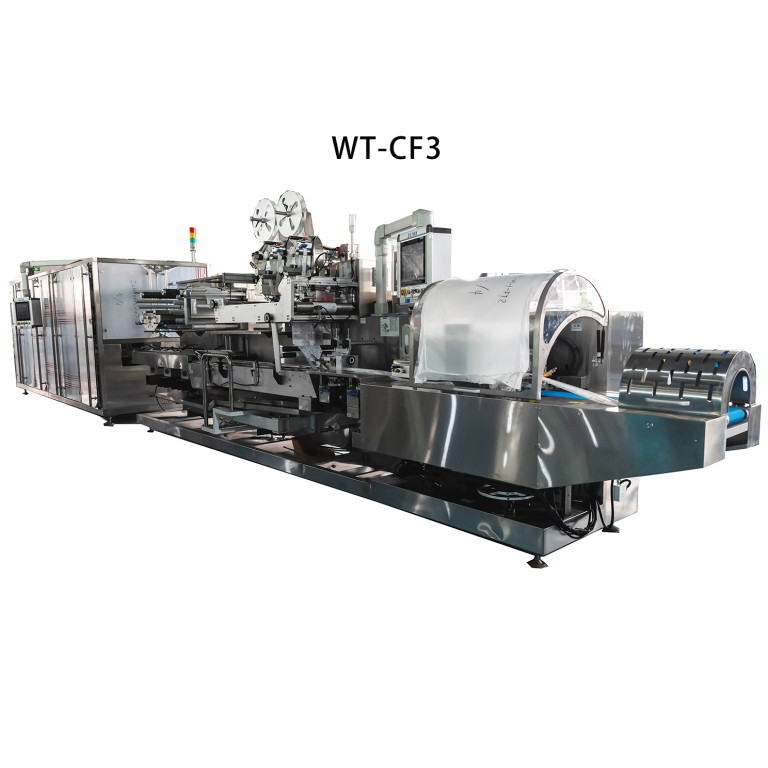
I’ve watched factories push patchwork fixes—extra night shifts, manual inspections, temporary staff—while waiting for a miracle. That’s short-term thinking; we need systems that can cut waste and react to defects in real time. Given the numbers, I ask: is it better to keep bailing water from a leaking boat, or to patch the hull?—that’s the choice on the table.
In the next section, I’ll dig into where the old fixes actually fail, and why those failures matter more than you think. Let’s get into the problem.
Where Traditional Lines Break Down: The Hidden Costs
Why aren’t the old methods working?
When teams talk about a wet wipe production line, they often imagine steady runs and predictable shifts. I’ve seen the reality: frequent changeovers, inconsistent edge sealing, and micro-tears that only show up at packaging. Older lines rely heavily on human spot checks and manual adjustments—so defects slip past until they’re expensive. PLC routines that were fine five years ago don’t catch today’s micro-variations; servo motor tuning is often manual, and that introduces variability.
Beyond defects, there’s a hidden labor cost. Operators spend time babysitting machines, doing repetitive checks that a simple sensor network or an edge computing node could handle. Power converters and drive systems age and behave unpredictably—yet procurement keeps buying the same spare parts and expects different results. Look, it’s simpler than you think: more human time equals more variability. We lose consistency and gain excuses.
Technical Flaws That Merit Attention
Let me be blunt: manual interventions mask systemic problems. Cross-fold alignment issues, inconsistent wetting profiles, and erratic slitting tolerances don’t respond to quick fixes. You can tighten bolts and retrain staff—those are band-aids. The deeper issues live in control logic, sensor placement, and data blind spots. Without on-machine analytics, we chase symptoms rather than cure causes.
So what’s the alternative? Adopt targeted diagnostics—simple vibration checks, inline moisture mapping, and better HMI prompts. These don’t require a full rebuild; they require smarter calibration and better feedback loops. — funny how that works, right? I want to emphasize: the cost of installing a few good sensors and reworking control parameters often pays back in months, not years.
Looking Forward: New Tech and Practical Choices
What’s Next for Manufacturers?
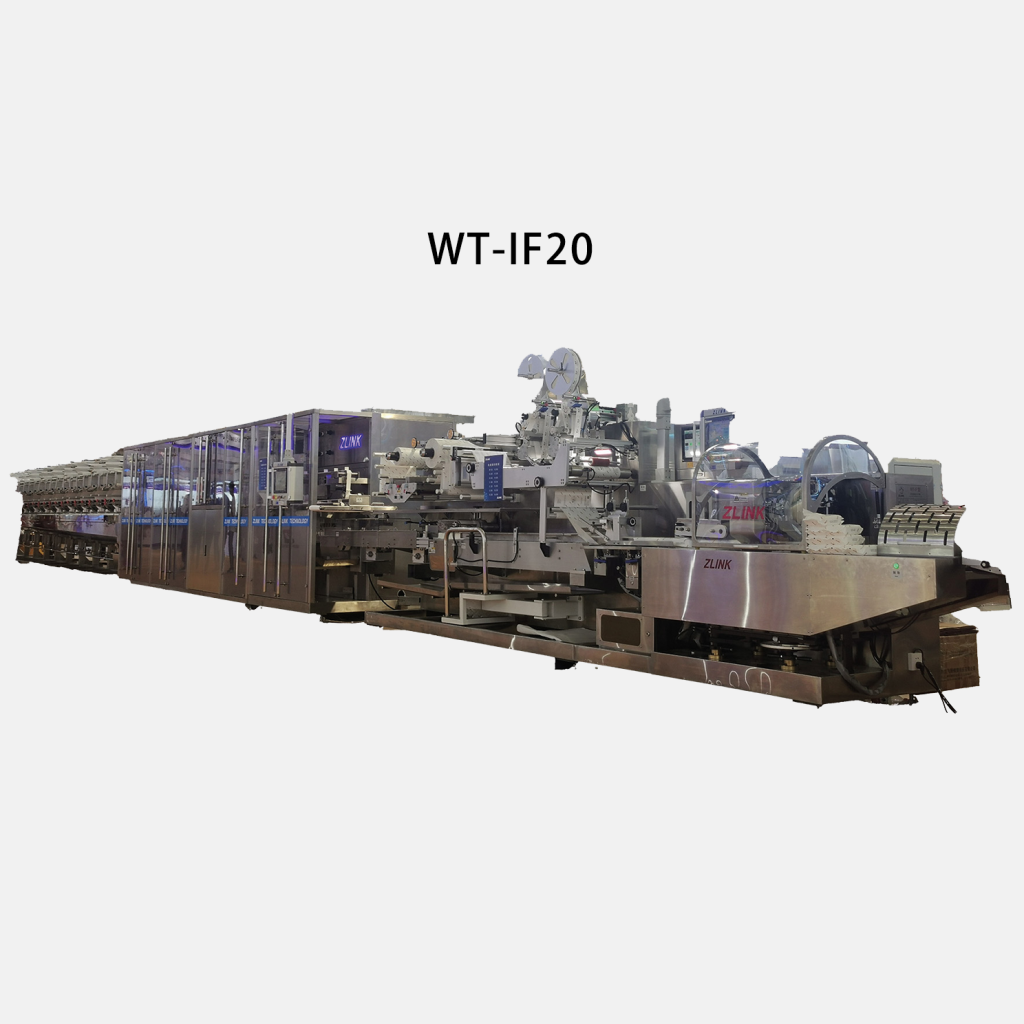
Now we move from diagnosis to options. I prefer to focus on practical innovations that deliver measurable gains: compact vision systems for seal inspection, modular servo drives for smoother speed changes, and localized compute (edge computing nodes) to catch issues before they cascade. A modern wet wipe production line should make small defects visible immediately, not after a pallet ships. That means redesigning feedback paths and upgrading control firmware—work that sounds technical, and it is, but the result is predictable throughput and less rework.
Consider case examples: one mid-sized plant I advised replaced manual sampling with inline imaging and trimmed downtime by nearly 40%—surprising, I know. Another swapped legacy drives for modern power converters and saw smoother accelerations through cross-fold units, reducing material stretch and sheet breakage. These are concrete wins: fewer complaints, less waste, and happier operators who can focus on quality rather than firefighting.
Three Metrics I Use When Evaluating Upgrades
If you’re weighing options, here are three metrics I trust, and I recommend you use them too:
1) Mean Time Between Faults (MTBF) improvement: measure before and after to see real reliability gains. 2) First-Pass Yield (FPY): track how many wipes make it to pack without rework—this is cash on the table. 3) Changeover Time: reduce the minutes it takes to switch SKUs and you free capacity without new capital. These numbers tell the story—don’t be swayed by glossy demos alone.
In closing, I’ve argued for clarity over habit and for targeted technical fixes over one-size-fits-all promises. We owe it to our teams and customers to choose solutions that deliver measurable results. For anyone ready to take the next step, I recommend checking practical system options and vendors (I’ve worked with a few). And, yes, you can modernize without chaos. ZLINK offers useful resources if you want a starting point.